Rise of Wellness Hotels: How Places Like Forsthofgut Are Redefining Travel
A nature-led Austrian retreat showing how a new generation of wellness hotels is redefining luxury through movement, nourishment, preventative health, science and our relationship with the natural world.
There was a time when travel was simply about escape. Today, however, the purpose of travel is changing. Increasingly, people are searching for experiences that help them sleep more deeply, reconnect with nature, move their bodies, nourish themselves with good food and return home feeling healthier than when they left. Few places illustrate this evolution more beautifully than Naturhotel Forsthofgut in Leogang, Austria.
Rachel Branson · 20 July 2026 · 16 min read
Roam at a glance
- Place
- Leogang
- Location
- Austrian Alps
- Travel type
- Mountain and Alpine
- Best for
- Active travellers
- Setting
- Mountain
- Ideal stay
- 5–7 nights
- Best time to visit
- Year round
- Wellness focus
- Nature connection
- Price level
- £££ Premium
- Nearest airport
- Salzburg
- Roam feeling
- Restorative
Atmospheric opening
Like many people, I arrived carrying more than just a suitcase. Weeks of travelling, deadlines and constantly moving between projects had left me craving the kind of stillness that is increasingly difficult to find at home. Although I love the pace and variety of my work, there comes a point when the mind begins asking for silence and the body quietly reminds you that recovery deserves the same attention as productivity.
Within hours of arriving, I noticed that my own rhythm had started to change. My attention shifted away from emails and schedules towards mountain views, birdsong and the reassuring sound of flowing water throughout the spa.
There was no expectation to fill every hour with activity, nor any pressure to chase a perfect wellness routine. Instead, the hotel gently encouraged guests to slow down, allowing relaxation to emerge naturally through a series of small experiences rather than a rigid programme.
It quickly became clear that healing at Forsthofgut was never about a single massage, treatment or therapy. It was the cumulative effect of dozens of thoughtful moments working together, each one quietly encouraging you to reconnect with yourself at a pace that felt entirely your own.
Why this place, and why now?
There was a time when travel was simply about escape. We packed our suitcases, boarded a plane and headed somewhere warmer, sunnier or simply different from home, hoping that a week away would leave us refreshed enough to return to the demands of everyday life.
Luxury was measured by five-star service, infinity pools and lavish buffets, while a visit to the spa was considered an optional extra rather than the reason for booking the holiday itself.
Today, however, the purpose of travel is changing.
Increasingly, people are searching for experiences that offer something far more meaningful than a temporary escape. They want to sleep more deeply, reconnect with nature, move their bodies, nourish themselves with good food and return home feeling healthier than when they left. Holidays are no longer simply about switching off; they have become an opportunity to reset physically, mentally and emotionally.
This shift has fuelled the remarkable growth of wellness travel. As our lives become busier, more connected and increasingly dominated by screens, travellers are seeking destinations that help restore balance rather than simply provide entertainment.
Wellness is no longer confined to a massage menu tucked away in the corner of a hotel. Instead, it has become the thread that runs through the entire guest experience, influencing everything from architecture and nutrition to movement, sleep, recovery and our relationship with the natural world.
Few places illustrate this evolution more beautifully than Naturhotel Forsthofgut.
The difference between a traditional luxury hotel and a true wellness hotel lies not in the number of treatment rooms or the size of the spa, but in the philosophy that shapes every aspect of the stay. A conventional hotel may offer wellness as one of its facilities; a wellness hotel is built around it.
At the world’s leading wellness destinations, every decision is made with guest wellbeing in mind. The quality of sleep is considered as carefully as the thread count of the bed linen. Menus celebrate seasonal, locally sourced ingredients designed to nourish as much as delight, while movement is encouraged through activities that feel enjoyable rather than obligatory.
Recovery sits comfortably alongside adventure, allowing guests to alternate between mountain hikes, yoga sessions, sauna rituals and moments of complete stillness.
Increasingly, these experiences are being complemented by advances in health science. Longevity clinics, metabolic assessments, recovery therapies and personalised wellbeing programmes are becoming part of the luxury travel landscape, reflecting a growing desire not simply to relax during a holiday but to understand our health more deeply and return home with habits that last long after the suitcase has been unpacked.
Perhaps that is why the definition of luxury itself is evolving.
Today, true luxury is measured less by extravagance and more by how a place makes us feel. The ability to sleep soundly, breathe fresh mountain air, disconnect from constant notifications and rediscover a slower pace of life has become one of the most valuable experiences a hotel can offer.
The story behind the place
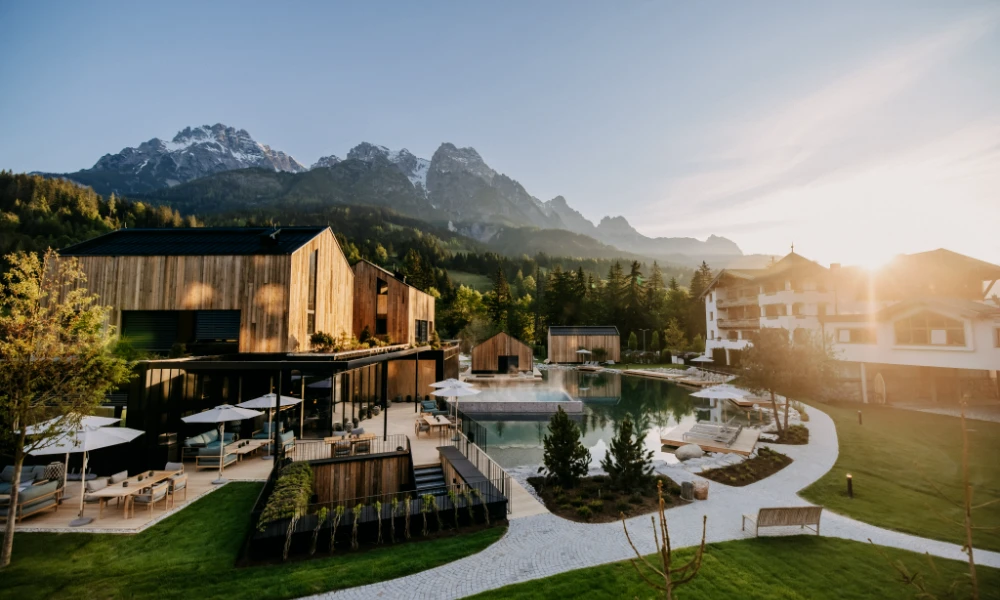
Surrounded by almost one hundred acres of forests, alpine meadows and mountain scenery, Naturhotel Forsthofgut feels less like a luxury resort and more like a seamless extension of its surroundings.
Still owned and managed by the Schmuck family, the property has evolved over more than a century from a traditional alpine farm into one of Austria’s most celebrated nature hotels, while remaining remarkably faithful to its original roots.
Alongside its renowned adults-only waldSPA, extensive activity programme and family wellness facilities, the hotel has introduced waldSPA Health, reflecting the growing interest in longevity and preventative wellbeing.
By combining traditional alpine wellness with evidence-based health assessments and recovery programmes, Forsthofgut demonstrates how modern wellness hotels are embracing both ancient wisdom and contemporary science without losing the warmth and authenticity that make them so appealing.
The setting
If there is one country that seems perfectly placed to embrace this new era of wellbeing, it is Austria.
My visit to Naturhotel Forsthofgut marked my fourth journey to the country and, if I’m honest, each trip leaves me more enchanted than the last. There is something about the Austrian Alps that seems to quieten the mind almost immediately, replacing the background noise of everyday life with birdsong, flowing rivers and spectacular mountain views.
Perhaps it is the country’s deep respect for nature that makes the difference.
Outdoor living is not treated as a weekend hobby but as part of everyday life, with hiking, cycling, swimming and skiing woven naturally into the seasons. The hospitality reflects that same philosophy, offering luxury that feels warm and authentic rather than ostentatious, where exceptional service exists alongside a genuine appreciation for the landscape that surrounds it.
Across Austria, wellness traditions have evolved over centuries, drawing on thermal waters, alpine herbs, forest bathing and the country’s celebrated sauna culture. Rather than existing as isolated spa experiences, these traditions have become part of a wider lifestyle centred on movement, fresh air and connection with nature.
At Forsthofgut, nature is not simply admired from the comfort of a hotel room; it becomes part of everyday life.
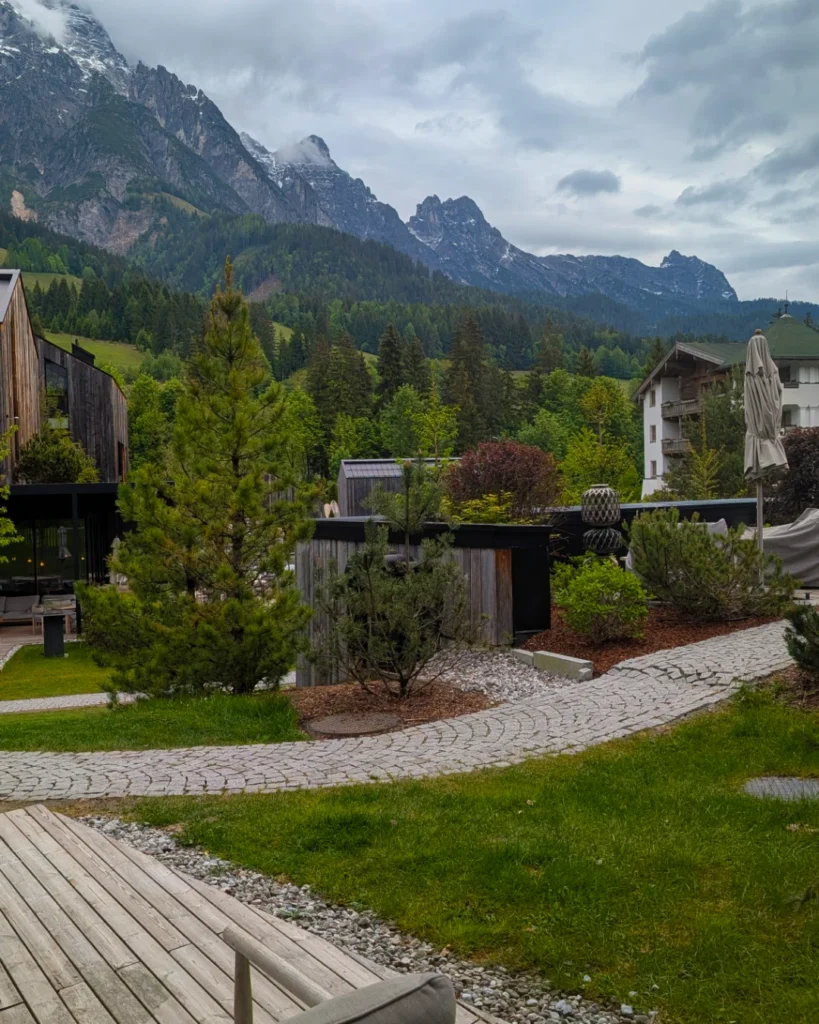
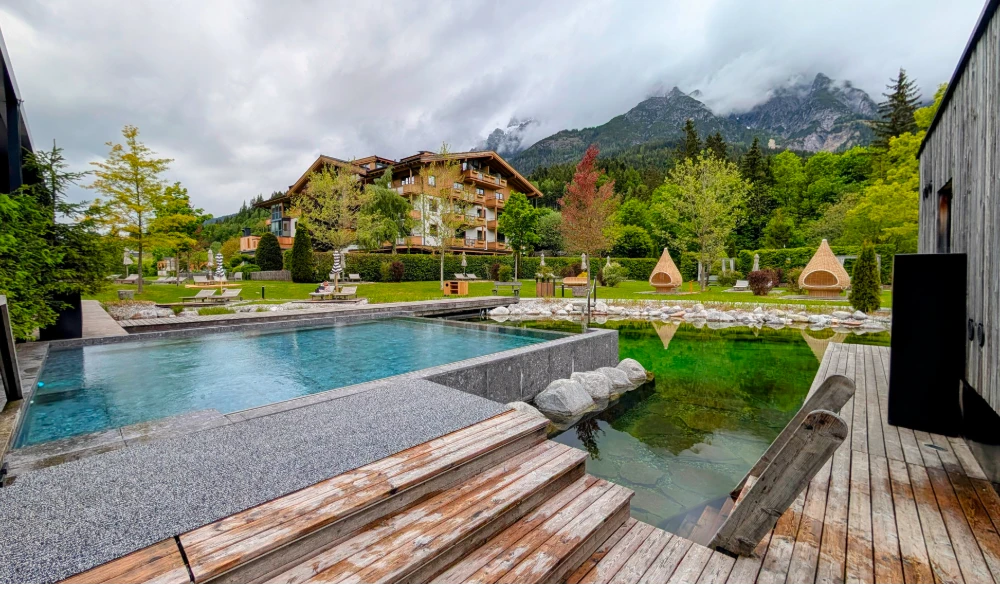
Guests wake to birdsong rather than traffic, step directly onto forest trails from the hotel grounds and spend their days moving between mountain walks, natural swimming lakes, outdoor pools and beautifully designed spa spaces that blur the line between indoors and out.
Beyond the spa, the treatments and the health assessments, perhaps the greatest luxury Forsthofgut offers is the opportunity to reconnect with nature.
During a guided hike through the Leogang mountains, I was reminded of how restorative simple movement in nature can be. We often search for complicated answers to stress, fatigue and disconnection, yet sometimes the most effective response is remarkably simple: fresh air, natural light, movement, space and the opportunity to think clearly again.
The mountains have a way of restoring perspective.
Problems begin to feel smaller, priorities become clearer and the constant noise of modern life gradually fades into the background. Walking through alpine meadows and forest trails, it becomes easier to understand why nature is no longer treated as an attractive backdrop within wellness travel, but as an essential part of the healing experience itself.
There is also something wonderfully democratic about nature. While treatments, technology and diagnostics can all add value to a wellness stay, some of the most powerful moments cost nothing at all.
Standing beneath the trees, swimming in cold water or walking until your thoughts settle can be every bit as transformative as the most sophisticated treatment programme.
Rooms and design
Forsthofgut feels less like a luxury resort and more like an extension of the landscape around it.
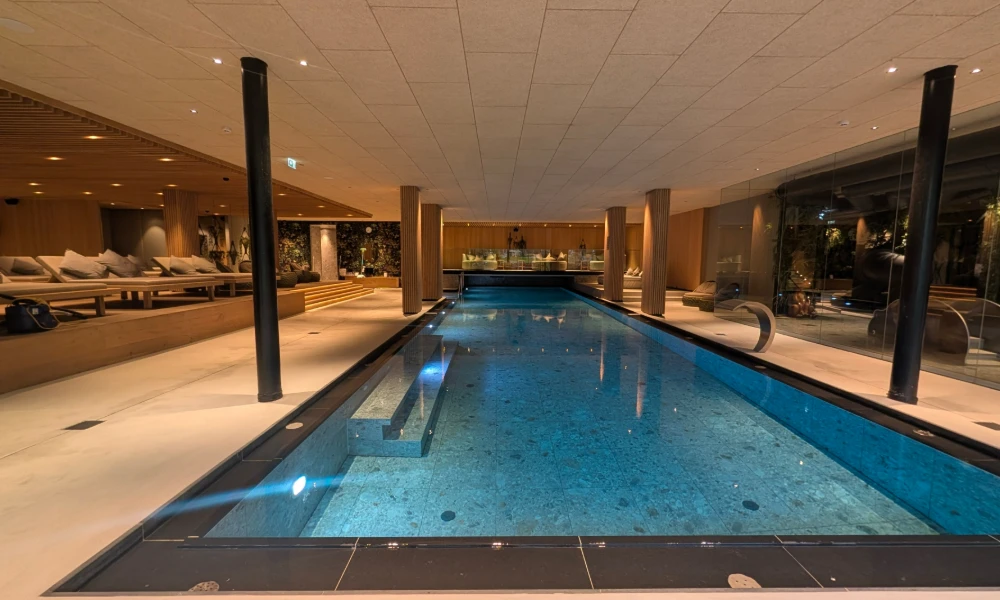
Its architecture and spaces are designed around the natural environment, with forests, alpine meadows, mountains and water shaping the experience. The hotel’s spa spaces blur the distinction between indoors and outside, encouraging guests to remain connected to the landscape rather than retreating from it.
That philosophy is perhaps more important here than conventional ideas of luxury.
The rise of the wellness hotel tells us something important about the way our understanding of luxury is changing. Travellers still value beautiful surroundings and exceptional service, but increasingly they also want experiences that contribute positively to their health and quality of life.
Luxury is becoming less about excess and more about access: access to time, space, nature, expertise and the freedom to slow down.
The wellbeing experience
This is where Forsthofgut begins to reveal what a modern wellness hotel can be.
Its wellbeing experience is not centred around one treatment or facility. The sauna ritual, reformer Pilates, metabolic testing, mountain walks, swimming and quiet moments beside the lake gradually become part of the same rhythm.
Discovering Austria's Aufguss sauna ritual
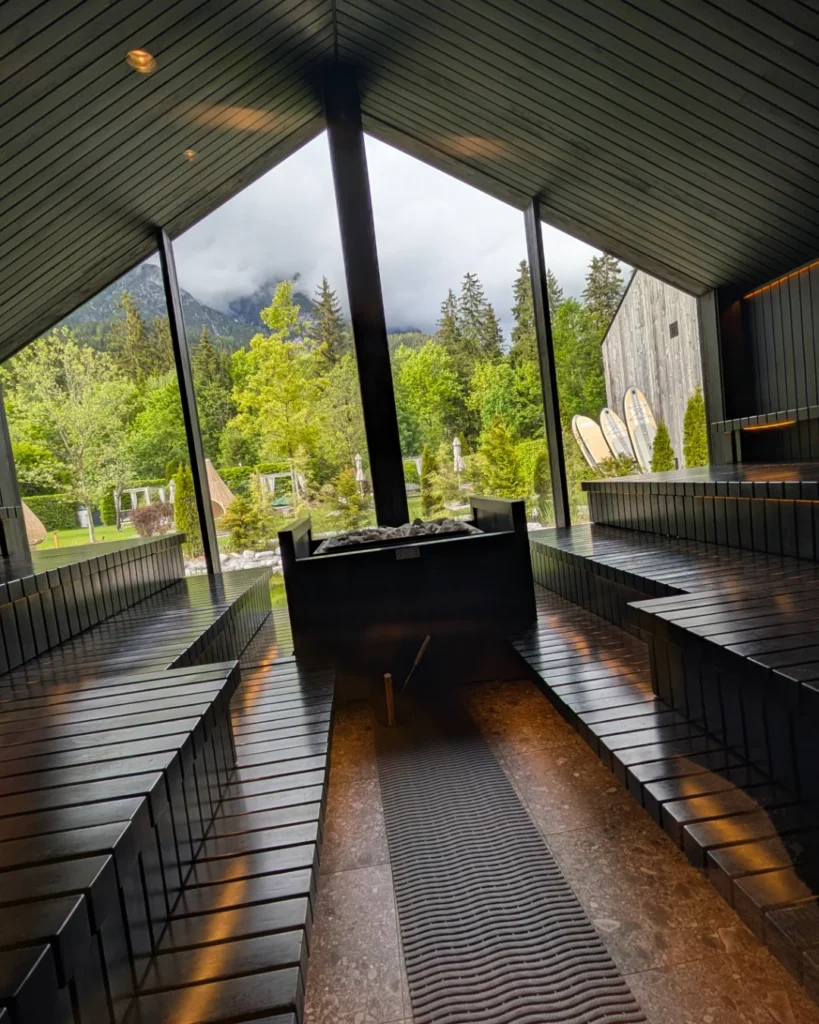
One experience I had been particularly looking forward to was my first Aufguss sauna ritual, a tradition deeply rooted in Austrian and German wellness culture but still relatively unfamiliar to many British travellers.
Far more than simply sitting in a hot sauna, an Aufguss is a carefully choreographed ritual led by a trained sauna master, who combines essential oils, steam and skilful towel movements to circulate waves of intense heat throughout the room.
As the temperature rises, so too does the sensory experience, creating an atmosphere that is both invigorating and unexpectedly meditative.
Like many first-time visitors, I approached the experience with a mixture of curiosity and apprehension. I knew the temperatures would approach ninety degrees Celsius, but I hadn't fully appreciated just how immersive the ritual would become or how quickly it would demand my complete attention.
Adding to the challenge was Austria's relaxed approach to sauna etiquette. Unlike in the UK, where swimwear is generally worn, traditional Austrian saunas embrace nudity as part of the experience.
It initially pushed me well outside my comfort zone, yet within minutes something rather unexpected happened.
As the sauna master skilfully circulated fragrant waves of heat through the room, my self-consciousness quietly disappeared, replaced by complete focus on my breathing, the aromas and the extraordinary sensation of being entirely present.
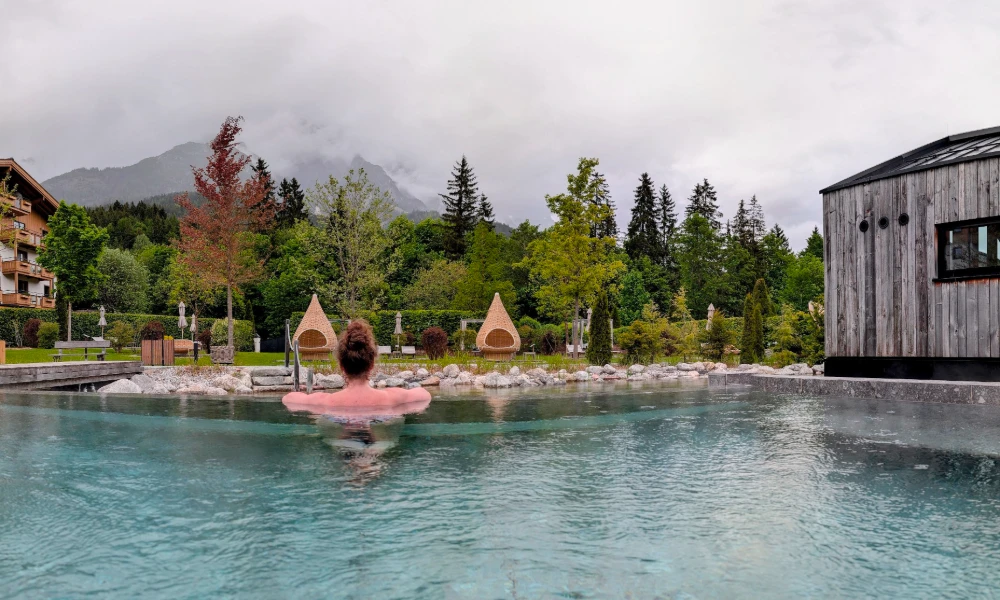
Following the ritual, I stepped directly into the crisp mountain air before plunging into the hotel's natural swimming lake, allowing the cold water to deliver an exhilarating shock to the system before returning to the warmth of the outdoor pools.
Alternating between intense heat and icy water became one of the most invigorating experiences of my stay and a reminder that wellbeing is not always found in comfort. Sometimes it is discovered by gently stepping beyond the boundaries we place around ourselves.
Movement as medicine
One of the most noticeable changes within today's wellness hotels is the way movement is being reimagined.
Exercise is no longer presented as something guests should feel obliged to do in order to compensate for overindulgence. Instead, it has become another form of self-care, woven naturally into the rhythm of the day and designed to leave you feeling energised rather than exhausted.
At Forsthofgut, the programme of activities changes daily, allowing guests to explore everything from guided mountain hikes and yoga to meditation, fitness classes and strength training.
There is no pressure to participate, yet the environment itself is quietly motivating. Surrounded by mountains, forests and fresh alpine air, moving your body feels less like exercise and more like an extension of being outdoors.
During my stay, I attended my first reformer Pilates class, something I had wanted to try for some time. The controlled, precise movements challenged muscles I clearly hadn't been paying enough attention to, yet there was something incredibly satisfying about the pace of the class.
Unlike high-intensity workouts, reformer Pilates demands concentration as much as strength, encouraging you to focus on posture, balance and control while building mobility and core stability.
The following morning I joined a strength training session using weights and kettlebells, which proved equally rewarding.
Like many people, I spend long hours behind a desk travelling, writing and editing, so it was a timely reminder that maintaining muscle mass becomes increasingly important as we age.
This holistic approach reflects a much broader shift taking place within the wellness industry. Travellers are increasingly looking for experiences that equip them with healthy habits they can continue long after they return home.
The most successful wellness hotels are not simply offering activities to fill an itinerary; they are inspiring lasting lifestyle changes through experiences that feel enjoyable, accessible and sustainable.
The rise of longevity travel
While spa treatments and relaxation remain central to the wellness experience, another trend is rapidly gaining momentum: longevity travel.
Increasingly, people are travelling not only to unwind but to better understand their health, with destinations combining traditional wellbeing practices alongside science-led assessments that provide measurable insights into how the body is functioning.
This new generation of wellness travel is less about searching for quick fixes and more about prevention.
Rather than waiting until something goes wrong, guests are choosing holidays that help them understand their health today, allowing them to make informed choices that support their wellbeing for years to come.
Recognising this shift, Forsthofgut introduced waldSPA Health, a dedicated longevity centre that complements the hotel's existing wellness offering.
Alongside yoga, hiking, spa therapies and nutrition, guests can access advanced health assessments and recovery programmes designed to optimise wellbeing rather than simply treat symptoms.
Metabolic testing
Curious to discover more about my own health, I chose to undergo a uVida resting metabolism analysis, one of the assessments offered through waldSPA Health.
The test measures how efficiently the body functions at rest, providing personalised insights into metabolism, energy expenditure and recovery while highlighting opportunities to improve overall health and performance.
Although the technology behind the assessment is sophisticated, the experience itself was refreshingly approachable.
Rather than overwhelming guests with complex medical terminology or focusing on deficiencies, the consultation explained the results in a clear and reassuring way, offering practical recommendations that could easily be incorporated into everyday life.
I was delighted to discover that my metabolic readings were strong, but what I appreciated most was the emphasis on education rather than perfection.
The assessment wasn't about chasing impossible standards or highlighting everything that needed fixing. Instead, it reinforced one of the most important lessons of modern wellbeing: understanding your body is often far more valuable than simply following generic health advice.
This combination of personalised diagnostics and traditional wellness is becoming one of the defining characteristics of luxury wellness travel.
Treatments such as cryotherapy, hypoxia training, metabolic analysis and recovery therapies are increasingly appearing alongside forest bathing, yoga and massage, demonstrating that science and nature no longer sit at opposite ends of the wellbeing spectrum.
At their best, they complement one another.
Food and nourishment
Food has always been an essential part of any memorable holiday, but wellness hotels are proving that healthy eating no longer needs to feel restrictive.
At Forsthofgut, every menu celebrates the surrounding landscape, with ingredients sourced from the hotel's own farm and carefully selected local producers.
Seasonal produce, regional flavours and thoughtful preparation come together to create dishes that feel both nourishing and indulgent.
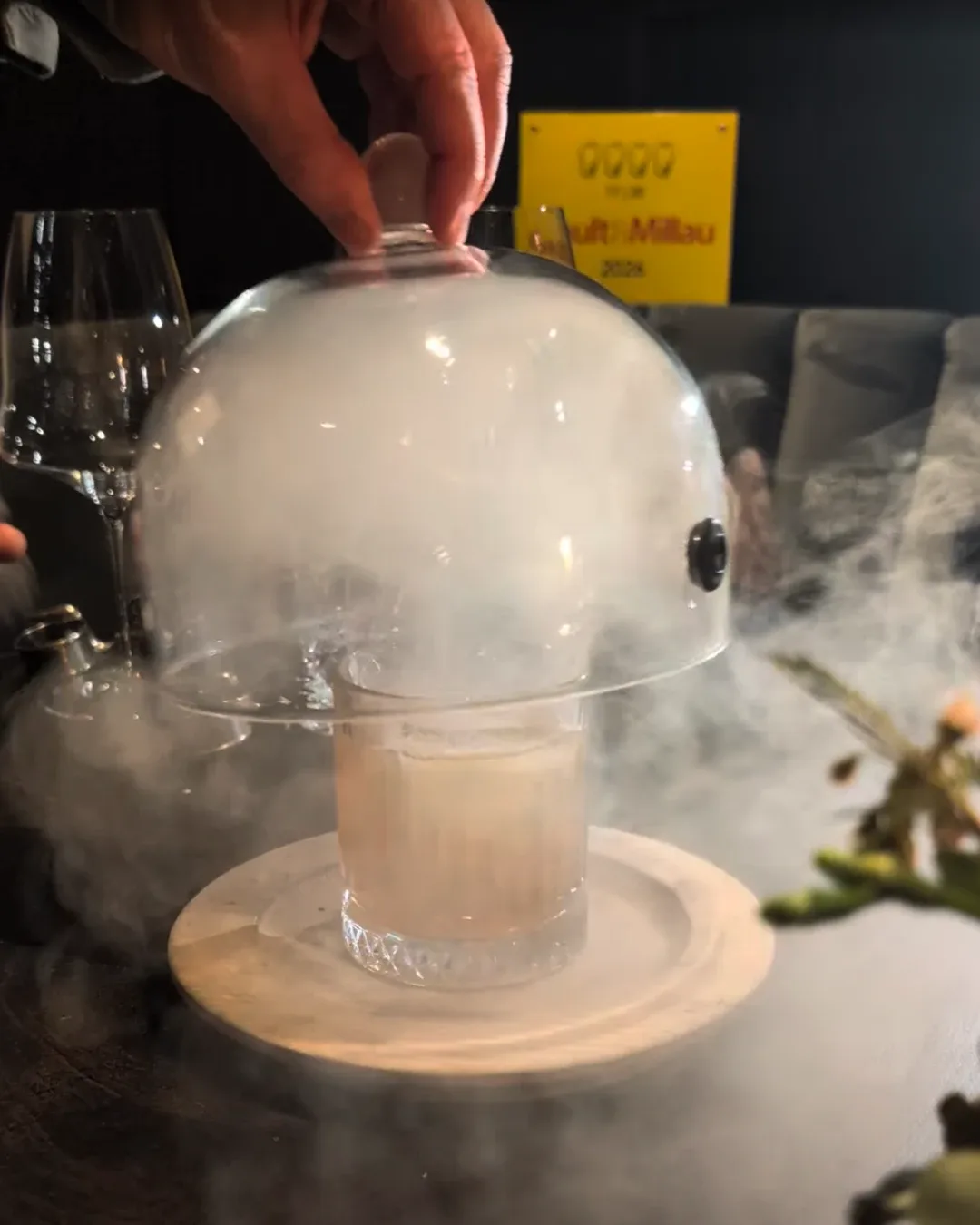
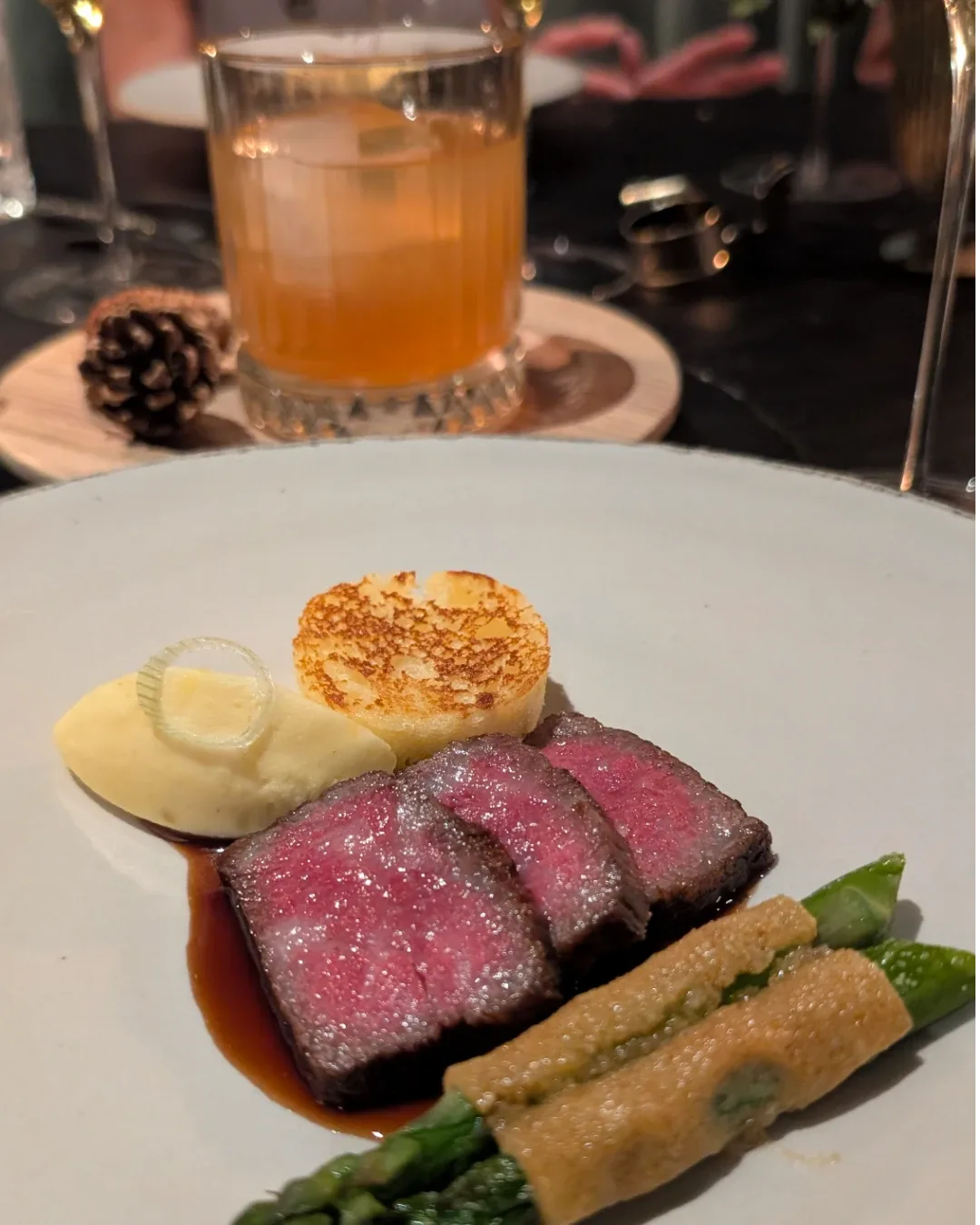
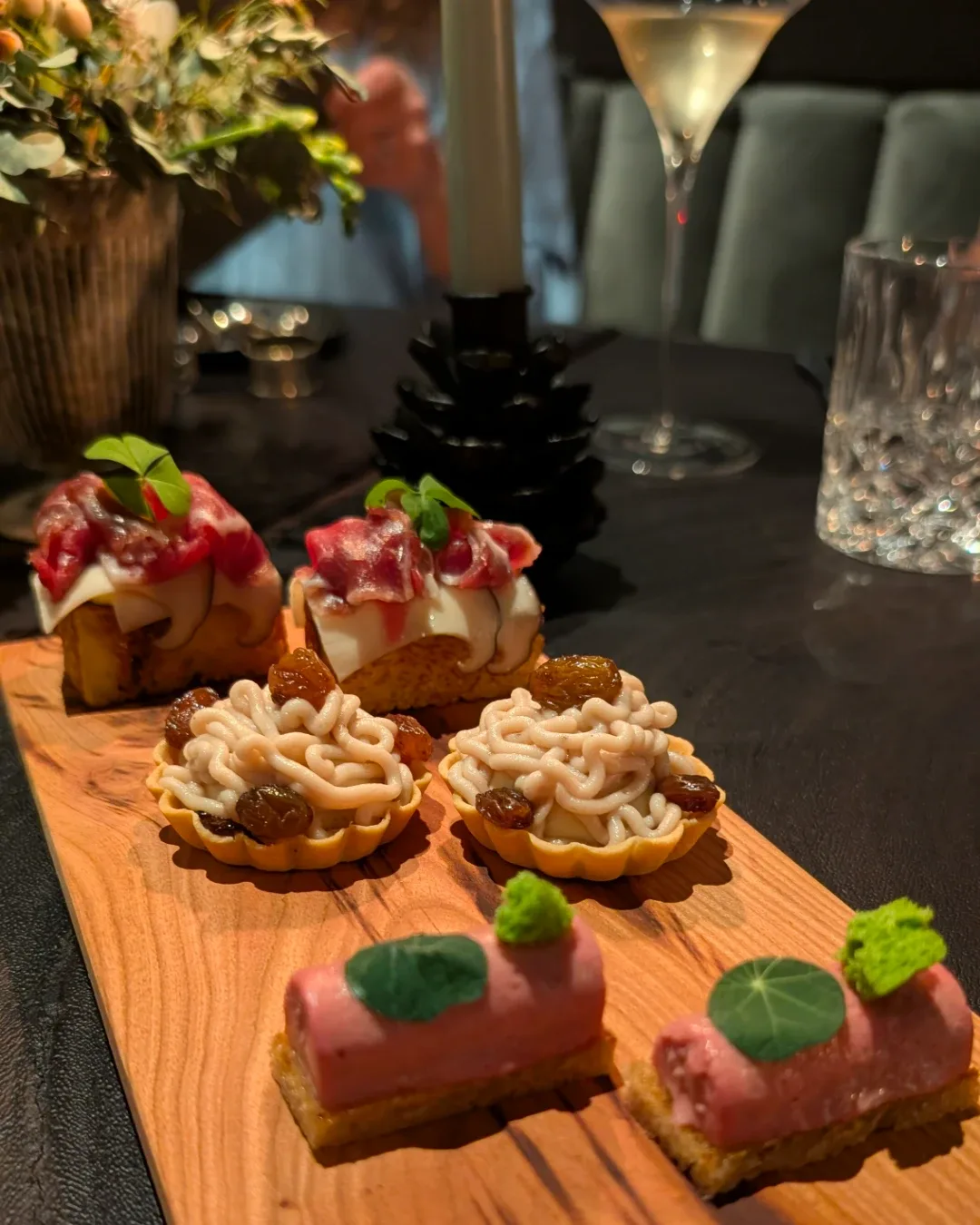
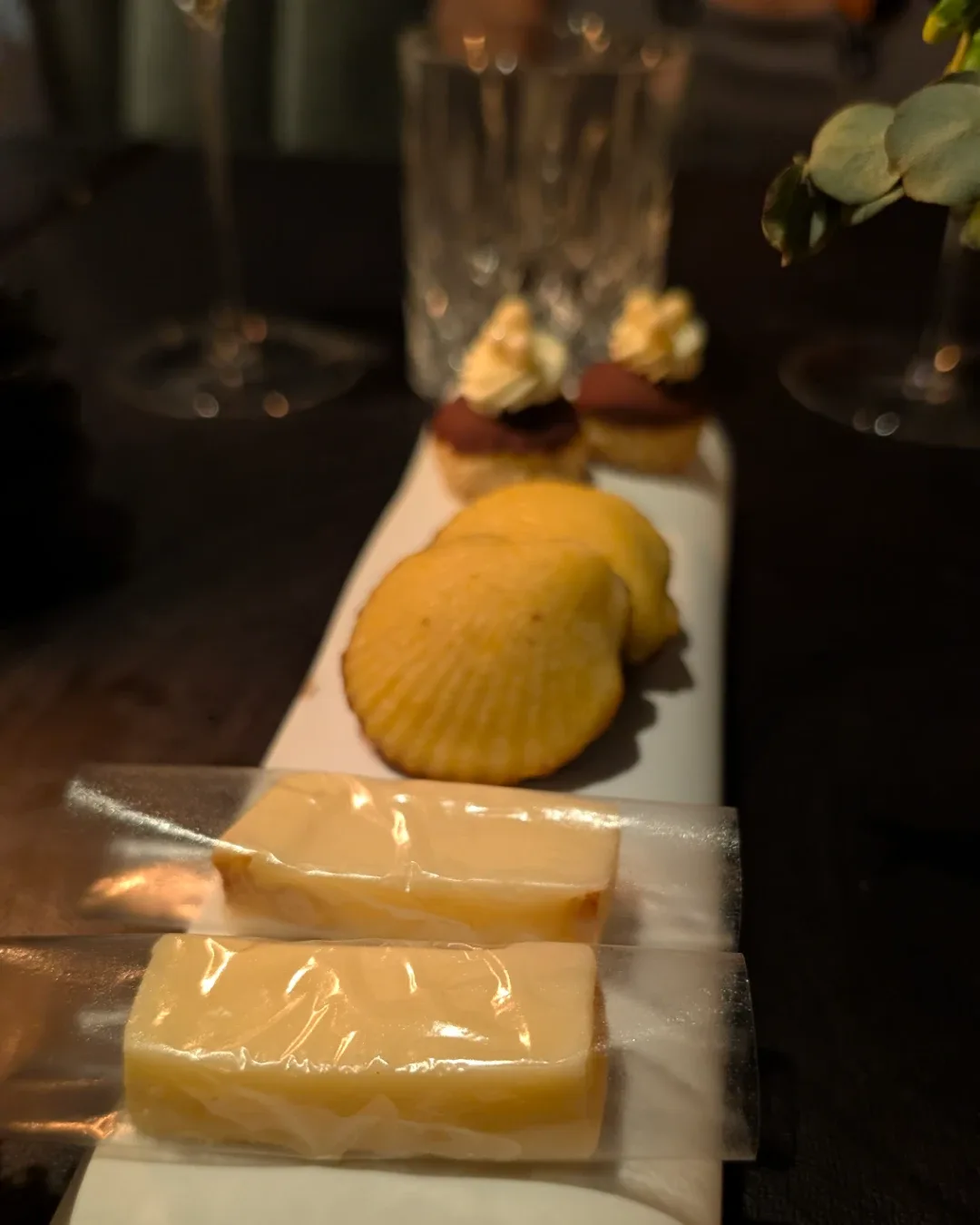
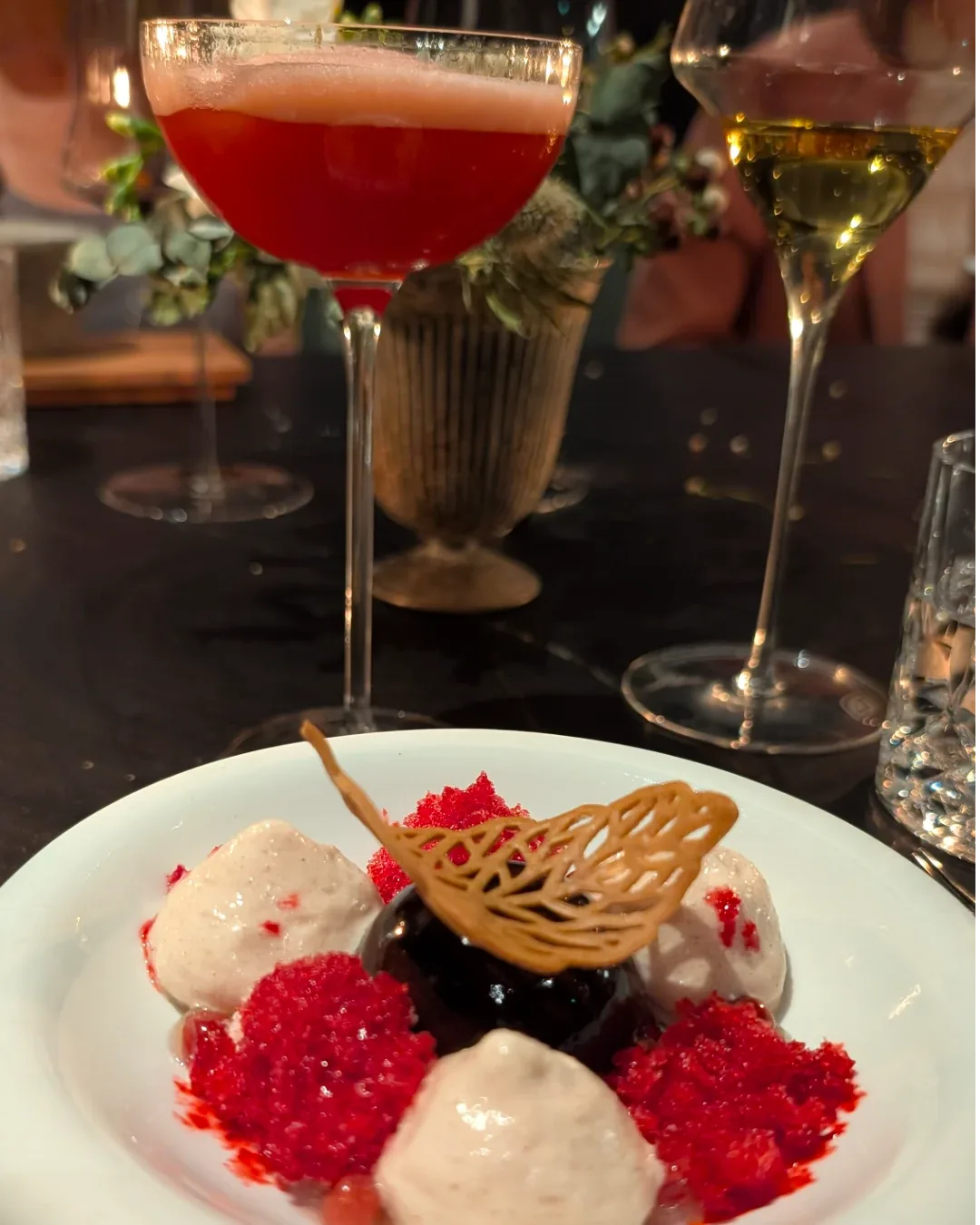
One of the highlights of my stay was dinner at silva, the hotel's intimate fine dining restaurant, where the culinary experience draws inspiration from the surrounding forest.
Each beautifully presented course reflected the changing seasons, demonstrating that wellness cuisine can be every bit as creative and luxurious as traditional fine dining.
What surprised me most, however, was the restaurant's exceptional alcohol-free pairing menu.
As someone who drinks very little alcohol, I have become accustomed to restaurants treating non-drinkers as an afterthought, often offering little more than sparkling water or a simple mocktail.
At silva, the experience was entirely different.
Each course was accompanied by a carefully crafted pairing designed to complement the flavours of the dish with the same creativity and attention usually reserved for wine.
It was a reminder that hospitality is evolving alongside wellness.
As more travellers embrace healthier lifestyles or simply choose to drink less, sophisticated alcohol-free experiences are becoming an important part of luxury dining rather than an alternative for those who feel they are missing out.
At Forsthofgut, that philosophy was evident throughout the entire experience, ensuring every guest felt equally included in the theatre and enjoyment of the evening.
silva restaurant
What a day here might look like
Wake naturally to mountain views and birdsong before breakfast, then head outside for a guided mountain hike through the forests and alpine meadows surrounding Leogang.
Return to the hotel for a reformer Pilates class or strength session before allowing the pace of the day to soften.
Spend the afternoon moving between waldSPA, the sauna and outdoor pools, perhaps trying an Aufguss ritual before stepping into the crisp alpine air and plunging into the natural swimming lake.
Those interested in the science of wellbeing might include an appointment at waldSPA Health for a metabolic assessment or another personalised health programme.
There is no pressure to fill every hour.
Leave time simply to walk, swim, read, sit beside the water or allow the mountain landscape to do what it seems to do so naturally: quieten the mind.
As evening arrives, dinner becomes another part of the wellbeing experience rather than an interruption to it, whether enjoying seasonal regional food or settling into a longer dinner at silva with its considered alcohol-free pairing menu.
Then sleep, deeply.
Because perhaps one of the most important lessons places like Forsthofgut remind us of is that recovery deserves the same attention as productivity.
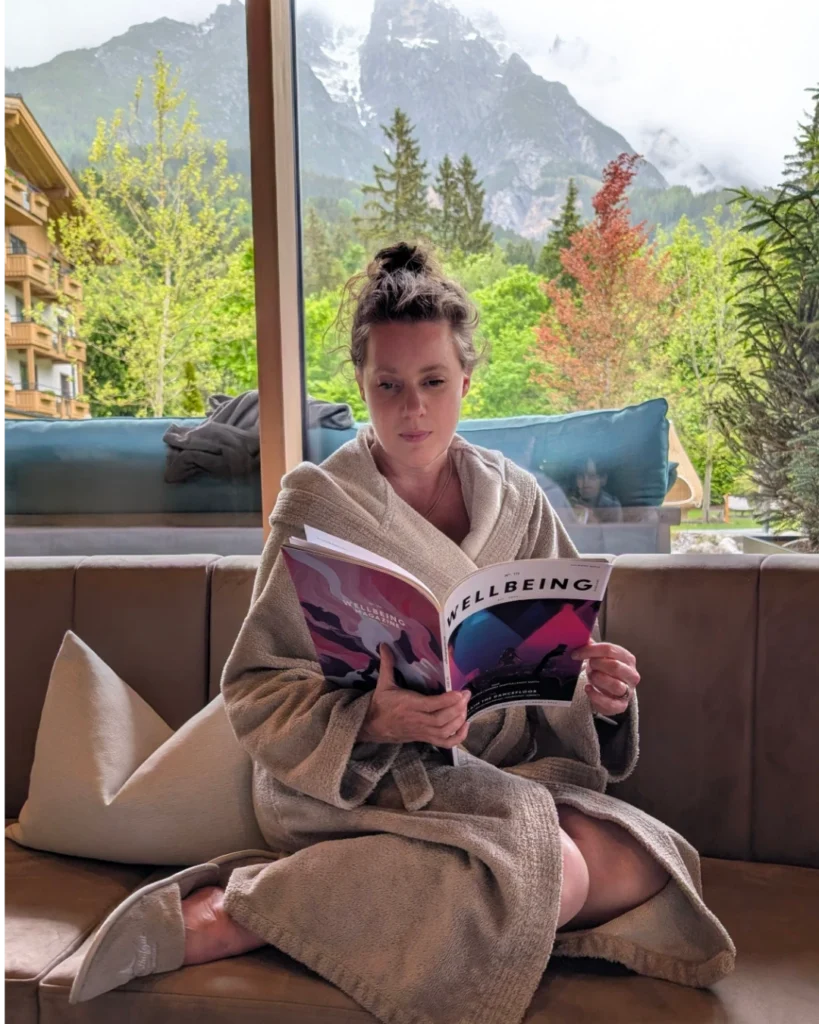
Best suited to
Forsthofgut works particularly well for travellers who want wellbeing to be woven through a holiday rather than imposed through a strict retreat schedule.
It will appeal to those who love mountains, forests and being outdoors; anyone curious about longevity and preventative health; travellers interested in combining activity with recovery; people who want excellent food without abandoning their wellbeing intentions; and those who simply feel that modern life has become a little too loud.
It is equally suited to guests who want to participate in classes, hiking, health assessments and sauna rituals and those who would rather spend hours quietly moving between the spa, lake and surrounding landscape.
The hotel welcomes adults and families, while dedicated adult spaces allow those seeking quiet relaxation to retreat when they need to.
May not suit
Forsthofgut may not be the right choice for travellers looking for a lively resort atmosphere, late-night entertainment or a holiday centred around sightseeing and packed itineraries. The experience here is much quieter and more inward-looking, with nature, movement, rest and wellbeing setting the pace.
It may also feel less suited to anyone who prefers a very traditional spa break where treatments are the main focus. At Forsthofgut, the wellbeing experience is broader than that, encouraging guests to spend time outdoors, move their bodies, try new experiences and engage with the landscape rather than simply retreating to a treatment room.
Those uncomfortable with Austria’s traditional sauna culture may also want to consider this before booking, as nudity is customary in some sauna areas. It can feel unfamiliar at first, particularly for British guests, although I found that any self-consciousness disappeared surprisingly quickly once the ritual began.
And while there is plenty to do, this is probably not the place for anyone who feels happiest filling every hour. Part of Forsthofgut’s appeal lies in slowing down, leaving space between activities and allowing the mountains, forest and water to become part of the experience.
The Roam verdict
As I boarded my flight home after four days in Austria, I realised that the greatest benefit of my stay was not any single treatment, class or meal.
It was the cumulative effect of dozens of small experiences working together: the morning mountain views, the cold lake swims, the challenge of reformer Pilates, the reassurance of metabolic testing and the restorative calm of the spa.
There was also the memory of stepping beyond my comfort zone during the Aufguss ritual and discovering that self-consciousness can disappear surprisingly quickly when we allow ourselves to be fully present.
It was a small moment, but one that seemed to reflect the broader purpose of wellness travel: not simply to make us feel comfortable, but to help us rediscover parts of ourselves that everyday life may have pushed aside.
Places like Naturhotel Forsthofgut are helping to redefine what travel can offer.
The rise of the wellness hotel tells us something important about the way our understanding of luxury is changing. Luxury is becoming less about excess and more about access: access to time, space, nature, expertise and the freedom to slow down.
A truly luxurious hotel is no longer simply one that surrounds guests with beautiful things, but one that helps them sleep more deeply, breathe more freely and return home feeling more like themselves.
Forsthofgut succeeds because its different elements never feel disconnected. The sauna ritual, reformer Pilates, metabolic testing, fine dining, mountain walks and quiet moments by the lake all form part of the same experience, creating a sense of wellbeing that builds gradually over the course of the stay.
The future of travel may not be defined solely by where we go, but by how we feel when we come home.
If a hotel can help us reconnect with our bodies, deepen our relationship with nature and inspire healthier choices long after the suitcase has been unpacked, then perhaps that is the most meaningful luxury of all.
The post Rise of Wellness Hotels: How Places Like Forsthofgut Are Redefining Travel appeared first on Wellbeing Magazine.
Plan your stay
- Where:
- Leogang, Austria
- Getting there:
- The nearest major airport to the Naturhotel Forsthofgut in Leogang, Austria, is Salzburg Airport (SZG), located about 75 km (47 miles) away. The drive or shuttle journey from Salzburg takes roughly 1 to 1.5 hours.
- Recommended stay:
- 5-7 days
- Price guide:
- Prices at Naturhotel Forsthofgut in Leogang, Austria, generally start around €255 to €440 per person per night depending on the season, room type, and occupancy. Rates include 3/4 board cuisine (breakfast, afternoon snack, and a 5-course gourmet dinner) and full access to the spa
- Booking:
- https://forsthofgut.at
- Accessibility:
- is partially accessible for wheelchair users and guests with mobility needs, featuring step-free access to major public areas and elevators. However, individual guest rooms and suites are not specifically or fully adapted for severe disabilities, so specific accessibility requirements should be confirmed directly before booking.
- Families:
- Naturhotel Forsthofgut in Leogang, Austria, is exceptionally well-suited for families, blending luxury wellness for adults with extensive, dedicated facilities for children, babies, and teenagers.
- Pets:
- Yes, you can bring dogs to the Naturhotel Forsthofgut in Leogang, Austria, for a fee of €50 per day plus a €50 final cleaning charge. Dogs are welcome in the lobby and on the terrace, but are restricted from restaurants, the bathing lake, and recreational lawns.
- Currency:
- Euro
- Language:
- The main spoken languages by the staff to assist guests are German and English, with select staff also able to communicate in French and Italian

Written by
Rachel BransonFounder & Editor-in-Chief
Rachel Branson is the Founder of Haywood Media and Editor-in-Chief of Wellbeing Magazine and Roam, with more than twenty years’ experience exploring health, wellbeing and the changing global wellness landscape.
All stories by Rachel BransonKeep reading
Related journeys
Mountain and Alpine
Escape to the Mountains: A Slow Return to Rhythm
On the pull of altitude, silence and the wellness retreats reimagining what it means to rest. There is a moment on almost every mountain journey when I feel something inside me begin to change. It may happen as the road
10 August 2026 · 13 min read
Mountain and Alpine
A Conversation with Maria Hauser: At Home at the Stanglwirt
Maria is not just the face but the voice of its legacy, rooted deeply in family, nature, and a way of life that transcends the idea of what a luxury hotel should be. She greeted me with the warmth you might expect from a dear friend, and spoke with a passion that instantly made it clear: Stanglwirt is not just where she works—it’s where she lives.
8 May 2025 · 12 min read

Mountain and Alpine
Affordable Skiing in Eastern Europe: Hidden Resorts for Budget Travelers
Discover the hidden skiing potential of Eastern Europe with affordable and picturesque resorts in Bulgaria, Romania, Slovakia, Poland, and Serbia. From the serene slopes of Bansko and Poiana Brașov to the cultural…
10 September 2024 · 7 min read