
Roam Review
A Conversation with Maria Hauser: At Home at the Stanglwirt
At Home at the Stanglwirt
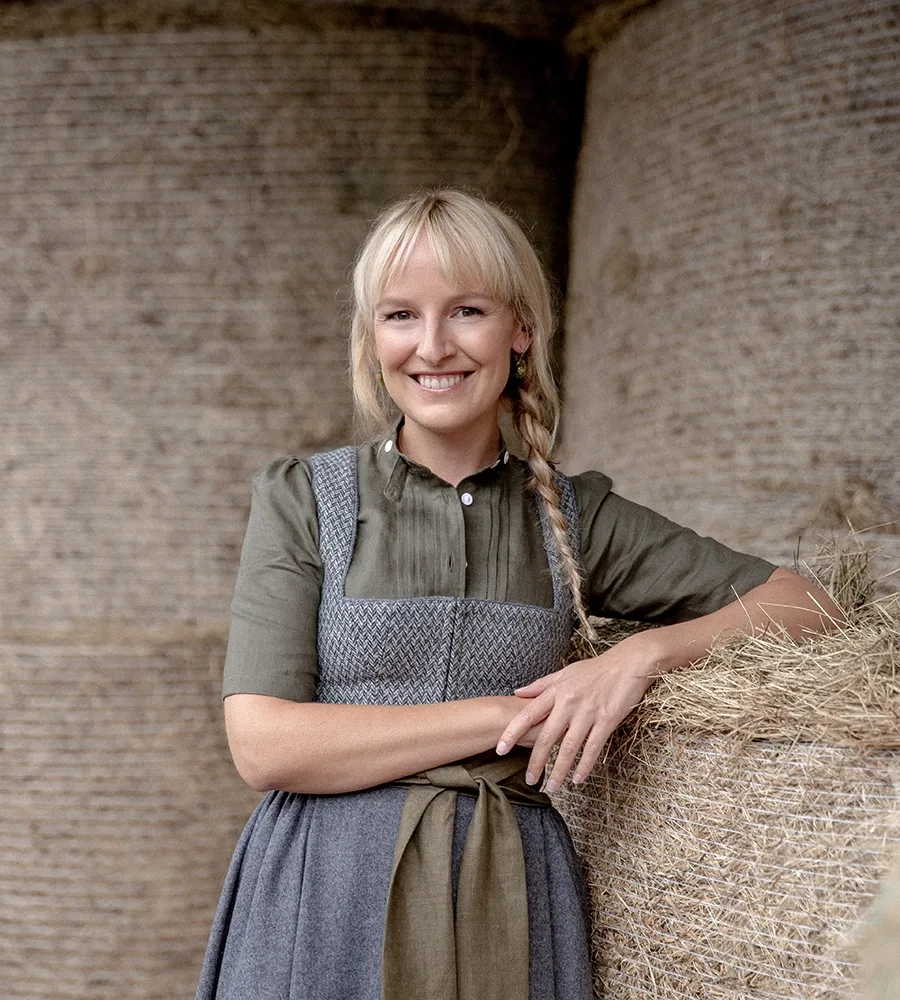
After five unforgettable days of awakening my senses—and my spirit—at the extraordinary Stanglwirt, I had the pleasure of sitting down with Maria Hauser, the heart and soul behind the Stanglwirt’s story today.
Rachel Branson · 8 May 2025 · 12 min read
Roam at a glance
- Location
- Austria
- Travel type
- Mountain and Alpine
- Best for
- Active travellers
- Setting
- Mountain
- Ideal stay
- 3–5 nights
- Best time to visit
- Year round
- Wellness focus
- Nature connection
- Price level
- ££££ Luxury
- Nearest airport
- Our nearest airports · Munich airport (approx. 120 km; around 1.5 hours) · Salzburg airport (approx. 80 km; around 1 hour) · Innsbruck airport (approx. 80 km)
- Roam feeling
- Awe-inspiring
Atmospheric opening
Some hotels impress you the moment you arrive. Stanglwirt makes you feel as though you have stepped through the entrance into an entirely different world.
After the journey from Munich, through rolling meadows, neat Alpine villages and landscapes that seemed almost too picturesque to be real, I thought I had already experienced the best of the arrival. Then I walked into the hotel and saw Lipizzaner horses moving gracefully around an indoor riding arena beyond the reception windows.
It was unexpected, theatrical and completely enchanting.
Beyond the horses were flickering fireplaces, carved timber, weathered stone and the unmistakable outline of the Wilder Kaiser mountains. Nothing felt staged simply for the benefit of visitors. Stanglwirt felt like a place with its own history, rhythm and living identity—a world that had been growing here for centuries.
For a few days, I was invited to become part of it.
Why this place, and why now?
Modern life has a way of gradually replacing curiosity with responsibility. Work, family, deadlines and an endless list of things requiring attention can leave little room for wonder.
I arrived at Stanglwirt expecting a restorative wellness retreat. What I found was something less tangible but perhaps more valuable: a reminder of what it feels like to be surprised.
The resort has welcomed guests for more than 400 years and has remained in the Hauser family since 1722. Today, it combines a working organic farm with a five-star hotel, extensive wellness facilities, sport, nature and traditional Tyrolean hospitality.
Yet its appeal is not simply the scale of what is available. It is the way the experience unfolds. Around one corner there are horses; around another, a hidden pool, a rock sauna or a view of the mountains. There are tennis courts, a boxing ring, a fitness garden, a children’s farm and spaces created purely for stillness.
At a time when many wellness trips are built around strict programmes and relentless self-improvement, Stanglwirt offers another possibility. You can come here to train, hike and challenge yourself, but you can also come simply to sleep, breathe and rediscover your capacity for delight.
Quote
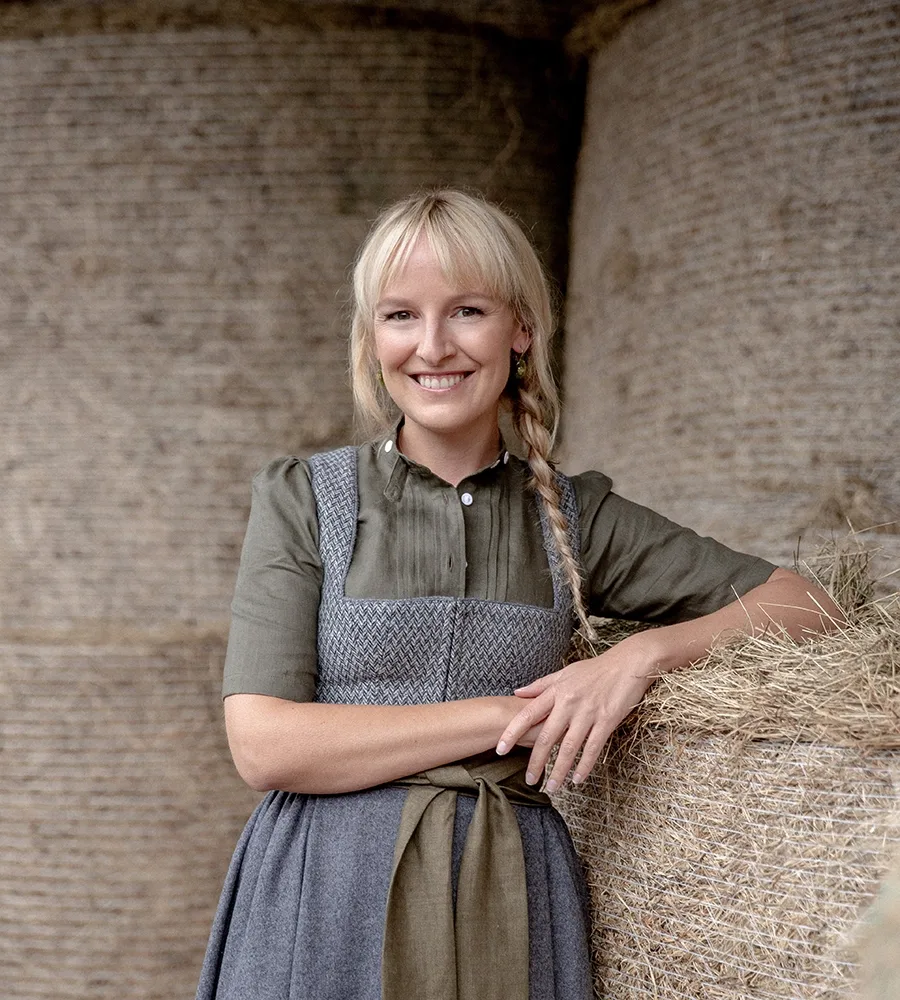
We grew up here—in the hotel, not next door, not across the street. This is truly our home,” she begins. “From as early as I can remember, we were surrounded by guests, playing with their children, celebrating birthdays and holidays together. It never felt strange, because it was all we knew. They became our extended family. And they still are.
The Story Behind the Place
The setting
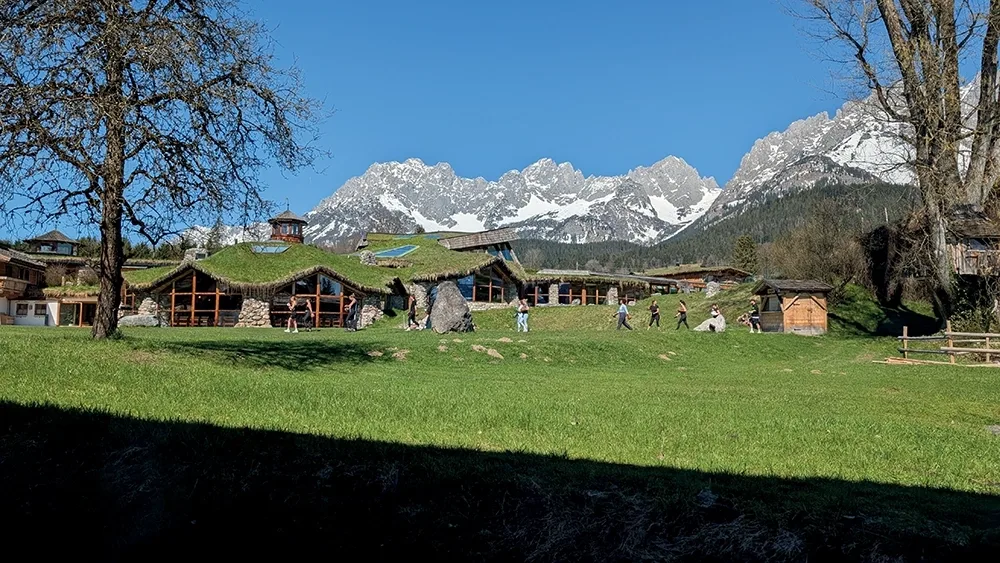
Stanglwirt sits in Going am Wilden Kaiser, close to Kitzbühel in the Austrian Tyrol. The Wilder Kaiser mountain range rises dramatically behind the resort, providing the kind of view that repeatedly draws your attention away from your phone and back towards the landscape.
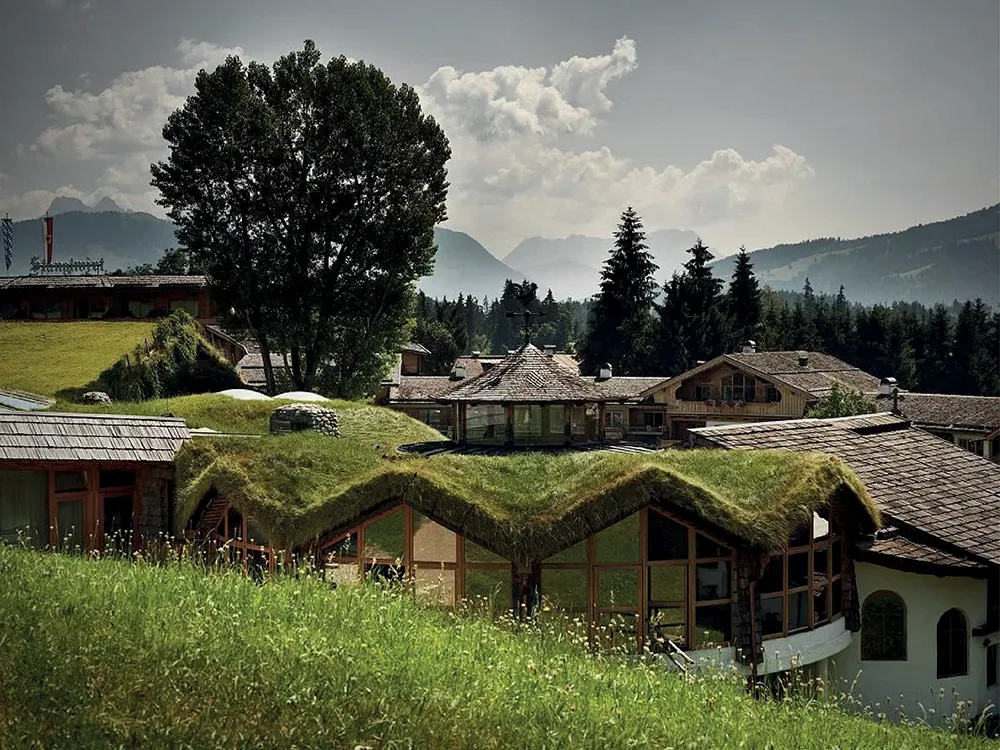
The hotel feels substantial, but it does not sit apart from its surroundings like a conventional luxury resort. It is connected to a working organic farm and shaped by its Alpine heritage. Timber buildings, grazing land, horses and mountain views create a strong sense of place.
There is something grounding about waking beneath the mountains. They provide perspective without asking anything of you. Even when you are not hiking, skiing or cycling, their presence changes the tempo of the day.
The setting works throughout the seasons. Summer brings hiking, cycling, golf, swimming, tennis and riding, while winter opens the surrounding landscape to skiing, snowboarding and other mountain pursuits.
Rooms and design
The rooms at Stanglwirt continue the feeling of Alpine warmth rather than switching into anonymous international luxury.
Traditional craftsmanship is paired with natural materials, including untreated Swiss stone pine, solid timber, pure wool and linen. The result is tactile and comforting: rooms that smell faintly of wood, feel connected to the mountains and encourage you to slow down.
My room opened onto a balcony overlooking snow-dusted peaks. The view was so arresting that, for the first few minutes, the room itself almost became secondary.
Inside, the scent of local stone pine created a calm, cocooning atmosphere. I slept deeply throughout my stay—something my sleep tracker appeared equally enthusiastic about.
This is not minimalist design in the polished, pared-back sense. There is warmth, pattern, carved wood and a strong regional identity. The aesthetic is traditional, generous and deeply rooted in the Tyrol.
Some rooms and suites include open fireplaces or tiled stoves, while the wider accommodation ranges from double rooms and studios to spacious family rooms and large suites.
The wellbeing experience
Wellbeing at Stanglwirt is not confined to a treatment room. It exists across the landscape, architecture, movement programme, food, water and opportunities for rest.
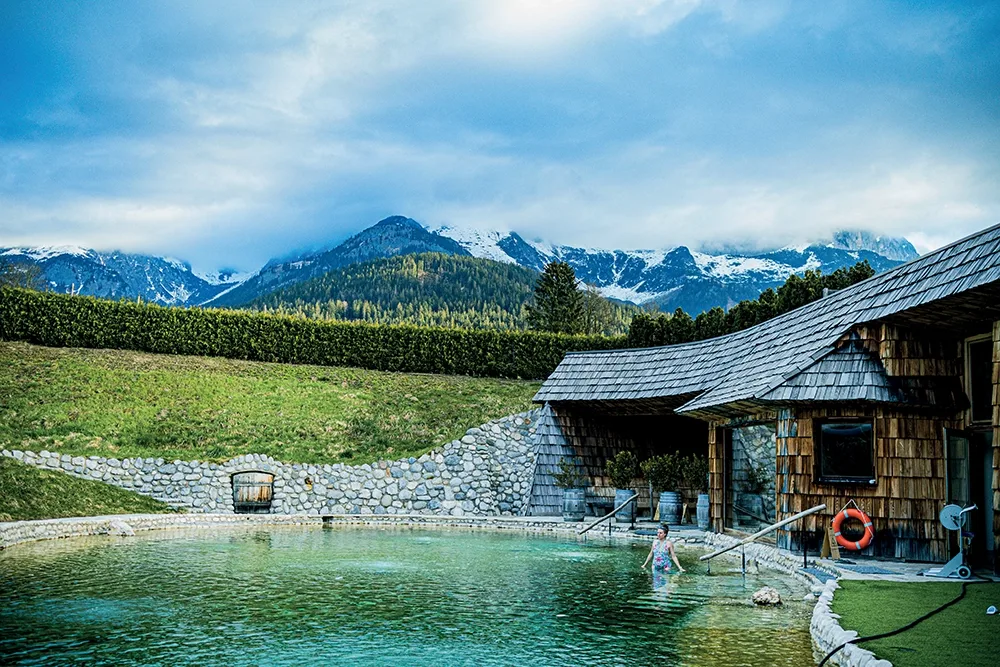
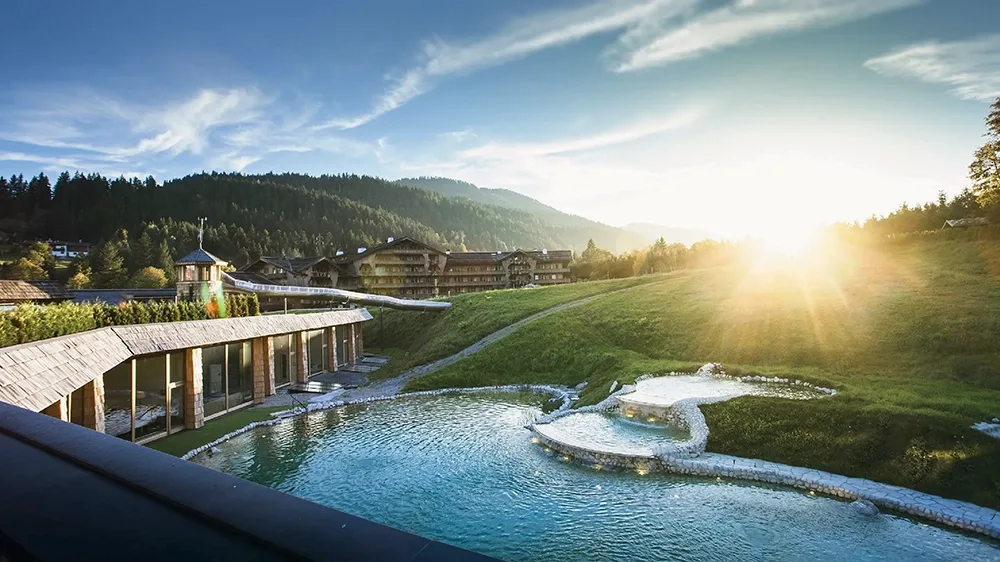
The dedicated spa covers approximately 1,500 square metres, while the resort’s wider wellness worlds extend across more than 12,000 square metres. These include pools, saunas, steam rooms, relaxation spaces, separate family facilities and areas reserved for quieter adult wellbeing.
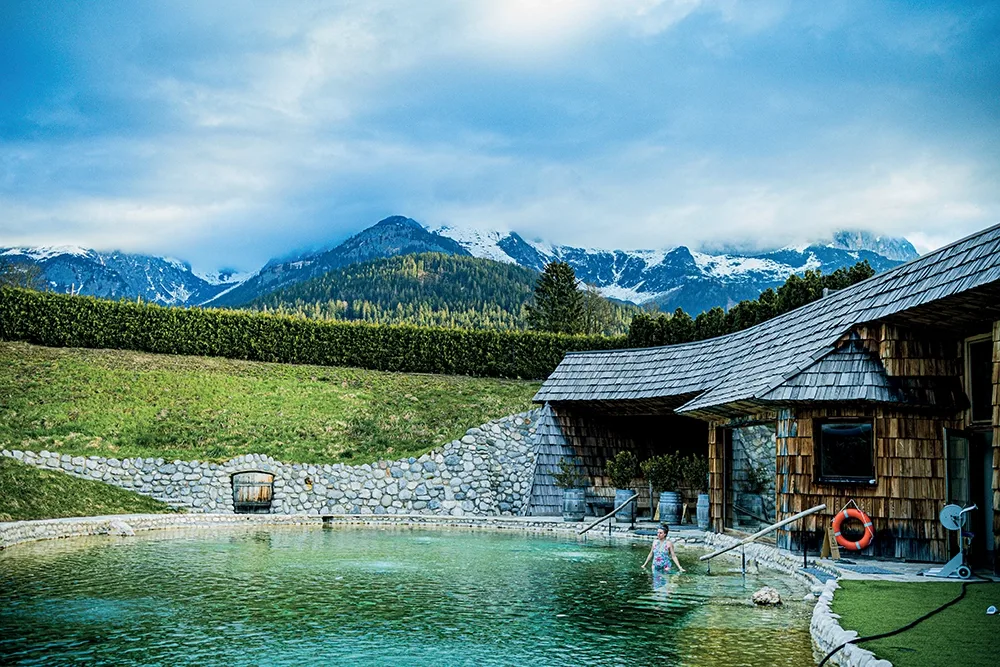
The scale means it takes time to understand what is here. You might discover a waterfall grotto, a rock whirlpool, a natural bathing lake, a salt-steam grotto or a sauna scented with local spruce. There are spaces for families and more silent areas designed for deeper retreat.
My stay formed part of a retreat led by celebrity trainer Ramona Braganza, whose approach brought together fitness, mindfulness and sustainable wellbeing. The sessions encouraged movement without making exercise feel punitive.
A sound bath with singer and healer Sharlene Perlinger became one of the most memorable moments. Her voice and the therapeutic frequencies seemed to dissolve the usual background noise of thought, leaving the body heavy, quiet and deeply relaxed.
I also experienced a massage focused on tension in my neck and back. It was the kind of treatment that does not simply make you feel better for an hour but reminds you how much tension you had accepted as normal.
Guests who prefer a more active approach can use the fitness garden, join classes or explore the resort’s extensive sporting facilities. Stanglwirt allows you to move between exertion and recovery according to what you need that day.
Food and nourishment
Food at Stanglwirt feels abundant, celebratory and firmly connected to its Tyrolean roots.
Breakfast brings fresh fruit, breads, organic produce and homemade specialities, including ingredients from the resort’s own farm. Even after several mornings, it felt as though there were still corners of the breakfast offering I had not discovered.
Dining options range from modern, lighter dishes and vegan choices to Mediterranean-style sharing menus and traditional Alpine cooking. Restaurant Dreiklang serves breakfast alongside changing multi-course dinners and themed buffet evenings, while Leni’s offers lighter daytime dishes and Mediterranean food in the evening.
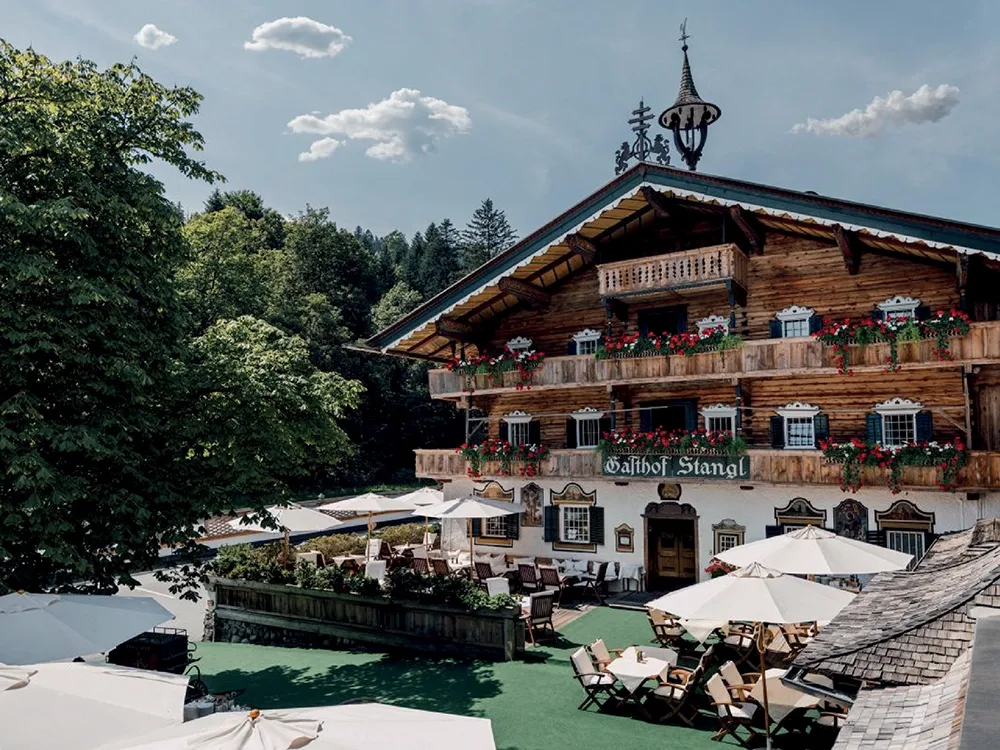
The most atmospheric meal of my visit was inside the original Gasthof Stangl, where guests have been welcomed for centuries. The rustic dining rooms, historic details and windows looking towards the cowshed created an experience that felt inseparable from the property’s story.
This is not a destination centred on restriction or austere wellness cuisine. Nourishment here means high-quality ingredients, local traditions, pleasure and the luxury of taking time over a meal.
What a day here might look like
The day might begin with coffee on the balcony as the early light moves across the Wilder Kaiser.
After breakfast, you could join a fitness or yoga session, walk into the surrounding countryside or choose a more energetic morning of tennis, riding, cycling or mountain exploration.
By late morning, you may find yourself in the wellness world, moving between the pools, saunas and quiet relaxation areas. A treatment before lunch could loosen the last traces of tension carried from home.
Lunch might be something fresh and light at Leni’s, followed by an afternoon with no particular plan. You could read beside the water, explore the children’s farm with younger guests, watch the Lipizzaner horses or simply continue discovering the resort.
Later, there might be a sound bath, another swim or a final moment outside as the mountains change colour.
The evening begins with dinner—perhaps a multi-course menu or traditional Tyrolean food in the historic Gasthof—before returning to a room scented with pine and falling into the kind of sleep that only fresh mountain air and a full day outdoors seem able to produce.
Best suited to
Stanglwirt is best suited to travellers who want variety rather than a narrowly defined retreat.
It works particularly well for:
- Couples who want wellness, nature and good food without following a rigid programme.
- Families who need child-friendly facilities without sacrificing the quality of the adult experience.
- Active travellers drawn to hiking, skiing, cycling, riding, tennis or fitness.
- Spa lovers who enjoy having a large and varied wellness environment to explore.
- Multigenerational groups whose members may want very different things from the same holiday.
- Travellers who value heritage, traditional design and a strong sense of place.
- Anyone who wants a wellbeing break that balances movement, pleasure and rest.
It is also well suited to people who become restless in small spa hotels. There is enough here to make a longer stay feel continually interesting.
May not suit
The scale of Stanglwirt is part of its appeal, but it may not suit travellers looking for an intimate hideaway with only a handful of rooms.
There is a great deal happening across the resort, and it can take time to learn how the different buildings, facilities and wellness areas connect. Guests who prefer stark minimalism or very contemporary urban design may find the traditional carved timber, Alpine detailing and abundant interiors more decorative than they would usually choose.
Although there are peaceful adult areas, this is also a family-friendly resort. Those wanting a completely child-free experience may prefer a dedicated adults-only property.
It may equally feel overwhelming to someone who wants a small, highly prescriptive retreat where each part of the day is arranged in advance. Stanglwirt offers possibilities rather than insisting upon a single path through them.
The Roam verdict
Stanglwirt is difficult to define because it is not simply one thing.
It is a five-star hotel and a working organic farm. It is a serious wellness destination and an adventure playground. It is somewhere you can train hard, sleep deeply, eat generously, sit in silence or watch Lipizzaner horses from the hotel bar.
What stays with me is not one treatment, meal or room, but the sense that the property has a heartbeat of its own.
Despite its scale and reputation, it retains the warmth of a family home and the character of a place shaped slowly over generations. The luxury comes not only from the facilities, but from the craftsmanship, the landscape and the feeling that the people behind it remain personally connected to its future.
I arrived hoping to rest. I left having rediscovered something I had not realised was missing: wonder.
Roam rating: A richly layered Alpine retreat for travellers who want nature, movement, heritage and serious wellness without giving up warmth, pleasure or a sense of play.
Plan your stay
- Best season:
- All year round
- Price guide:
- Start from around €482 per night for two people in a baseline Comfort Double Room
- Booking:
- https://www.stanglwirt.com/
- Pets:
- Yes
- Currency:
- Euro
- Language:
- German, English
Gallery

Written by
Rachel BransonFounder & Editor-in-Chief
Rachel Branson is the Founder of Haywood Media and Editor-in-Chief of Wellbeing Magazine and Roam, with more than twenty years’ experience exploring health, wellbeing and the changing global wellness landscape.
All stories by Rachel BransonKeep reading
Related journeys
Mountain and Alpine
Escape to the Mountains: A Slow Return to Rhythm
On the pull of altitude, silence and the wellness retreats reimagining what it means to rest. There is a moment on almost every mountain journey when I feel something inside me begin to change. It may happen as the road
10 August 2026 · 13 min read
Mountain and Alpine
Rise of Wellness Hotels: How Places Like Forsthofgut Are Redefining Travel
There was a time when travel was simply about escape. Today, however, the purpose of travel is changing. Increasingly, people are searching for experiences that help them sleep more deeply, reconnect with nature, move their bodies, nourish themselves with good food and return home feeling healthier.
20 July 2026 · 16 min read

Mountain and Alpine
Affordable Skiing in Eastern Europe: Hidden Resorts for Budget Travelers
Discover the hidden skiing potential of Eastern Europe with affordable and picturesque resorts in Bulgaria, Romania, Slovakia, Poland, and Serbia. From the serene slopes of Bansko and Poiana Brașov to the cultural…
10 September 2024 · 7 min read