Roam Review
Reclaiming Balance: Modern Mayr Medicine at Park Igls, Austria
A medically supervised Alpine retreat where gut health, mindful eating, movement and modern diagnostics come together to create something far more profound than a conventional detox.
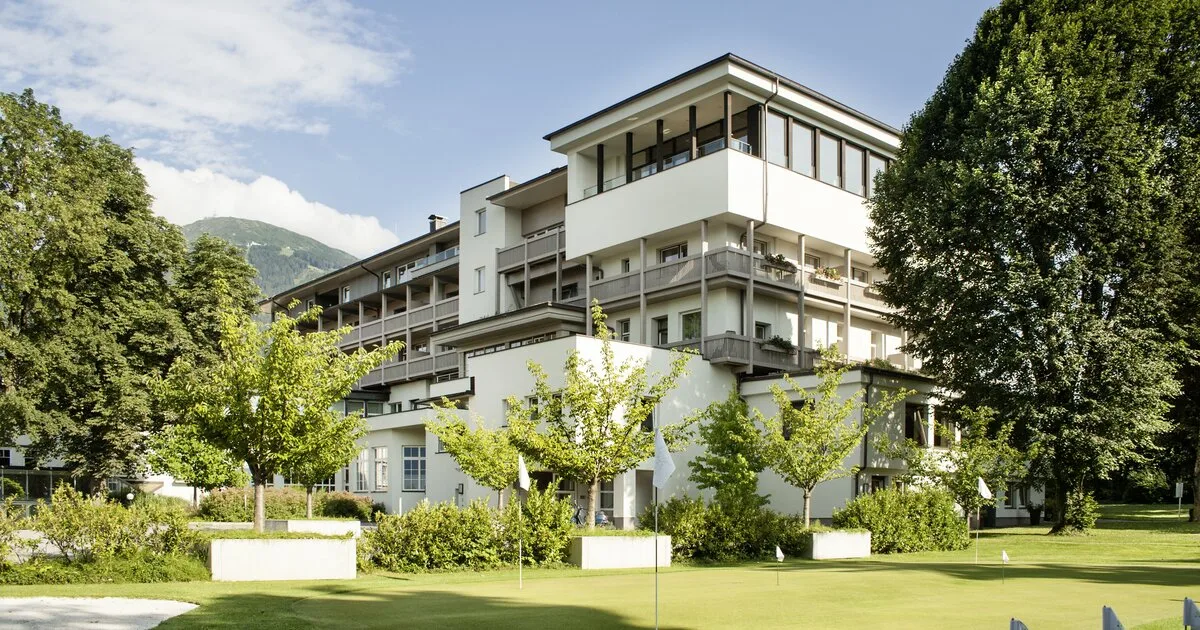
High above Innsbruck, surrounded by Alpine meadows and mountains, Park Igls Medical Spa Resort has spent decades refining a very particular approach to health. Based around Modern Mayr Medicine and the belief that our digestive system plays a central role in overall wellbeing, this is not a spa break designed around indulgence. It is a place to stop, investigate, reset and relearn some of the most fundamental habits of everyday life.
Rachel Branson · 14 November 2025 · 9 min read
Roam at a glance
- Place
- Park Igls Medical Spa Resort
- Location
- Igls, Innsbruck, Tyrol, Austria
- Travel type
- Nutrition and Healthy Living
- Best for
- Solo travellers
- Setting
- Mountain
- Ideal stay
- 7–10 nights
- Best time to visit
- Year round
- Wellness focus
- Detox and cleanse
- Price level
- £££ Premium
- Nearest airport
- Innsbruck Airport (INN), located about 9 kilometers (6 miles) away
- Roam feeling
- Restorative
Atmospheric opening
There is something about arriving in the mountains that makes retreating from everyday life feel instinctive. Above Innsbruck, the landscape becomes quieter, greener and somehow more spacious, with Alpine meadows giving way to forests and the vast backdrop of the Tyrolean mountains.
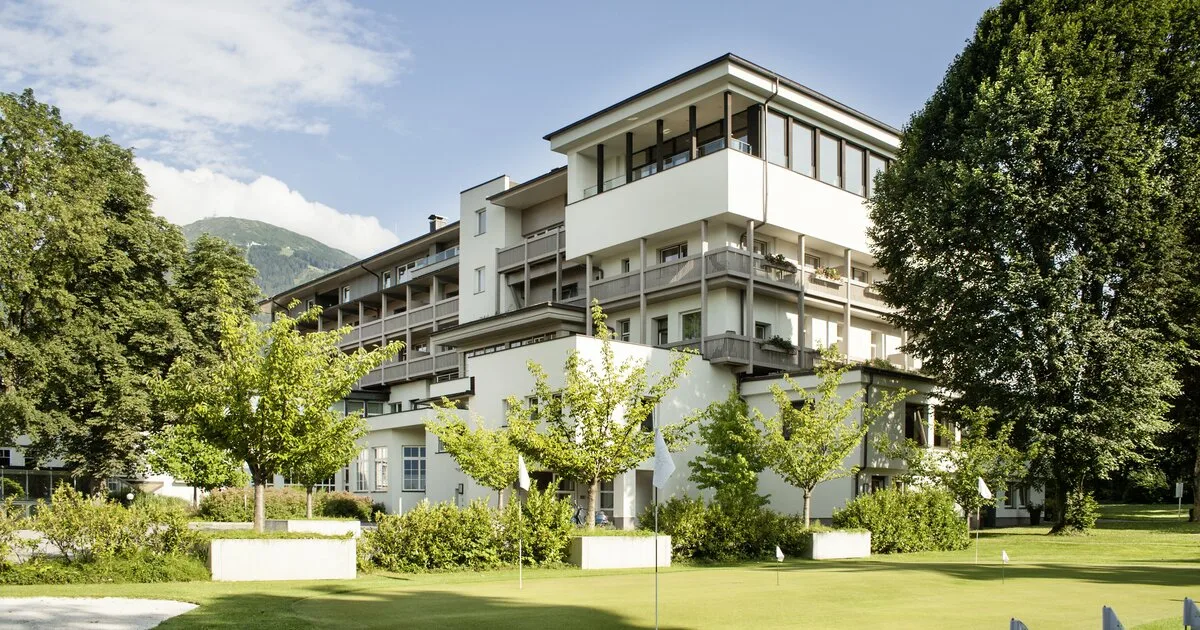
It is here that Park Igls sits: elegant, understated and considerably more medically focused than its tranquil surroundings might initially suggest.
I have experienced many wellness retreats, but this was my first medical detox, and I arrived both curious and slightly apprehensive. I knew vaguely about the Mayr Cure and its focus on digestion, but little about what living according to its principles for an entire week would actually involve.
My introduction was gentle. Soon after arriving, I experienced a warm liver compress, lying on a heated waterbed while a therapist placed beeswax and warmth across my abdomen before wrapping me in linen. After travelling and a particularly busy period of deadlines, the sensation of simply lying still felt almost medicinal in itself.
It was a small taste of what Park Igls does particularly well. Here, wellbeing is less about adding more treatments, more products and more interventions to our lives and more about stripping things back sufficiently to notice what our bodies have been trying to tell us.
Why this place, and why now?
We are living through an era obsessed with optimisation. Wearable technology tracks our sleep, biomarkers promise insight into future health, longevity clinics investigate how we might extend our healthy years and an increasingly sophisticated wellness industry offers countless ways to measure and manipulate the human body.
Yet Park Igls begins somewhere surprisingly basic: the gut.
Its Modern Mayr philosophy is based upon the teachings of Austrian physician Dr Franz Xaver Mayr and has evolved into a physician-led approach combining nutrition, movement, regeneration, medical assessment and preventative healthcare. Park Igls describes itself today as an internationally recognised medical spa specialising in Modern Mayr Medicine, combining medical expertise with personalised nutrition, therapy and movement programmes.
There is something refreshing about this perspective. For all our modern health technology, many of us still eat too quickly, eat while distracted, ignore signals of fullness, move too little, sleep badly and spend large parts of our lives under chronic stress. Park Igls asks what might happen if, for a while, we stopped doing that.
The story behind the place
The roots of the philosophy lie with Dr Franz Xaver Mayr, who developed his approach to digestive health in the early 20th century. At its heart was the idea that restoring the digestive system could have consequences far beyond the gut itself.
Traditional Mayr therapy became known for several core principles: resting the digestive system, cleansing, educating people to eat differently and restoring balance through appropriate nutrition and supplementation.
Park Igls has taken those principles and developed what it calls Modern Mayr Medicine. Rather than viewing digestive health in isolation, the approach incorporates medical diagnosis, individualised nutrition, movement and regeneration into a broader programme designed around the individual.
This distinction matters.
A stay here is not simply about losing weight or surviving a week on vegetable broth. Guests may arrive wanting to address digestion, metabolic health, stress or lifestyle habits, while others are looking for a medically supervised period of recovery or preventative healthcare.
It creates an interesting middle ground between hospital and retreat: clinically serious, but deliberately removed from the atmosphere of illness.
The setting
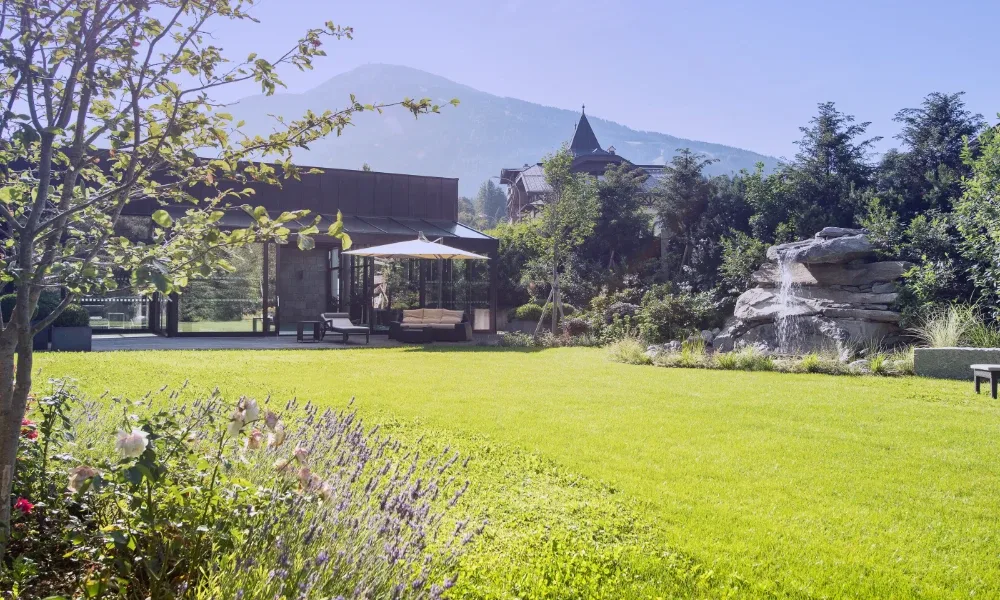
Park Igls sits in Igls at the foot of the Patscherkofel mountain, close enough to Innsbruck for access to the city and its medical infrastructure yet surrounded by the kind of Alpine landscape that makes walking outside feel like part of the treatment.
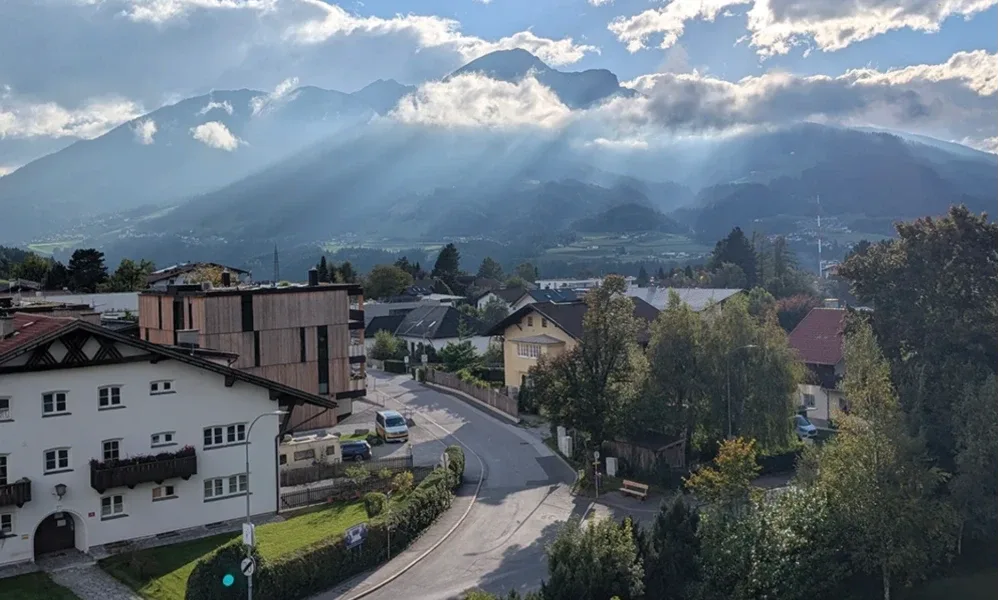
Mountains dominate the horizon. Forests and walking trails make movement feel less like prescribed exercise and more like a natural part of the day. That proximity to nature becomes important because a Modern Mayr stay is intentionally slow. Between appointments there is time to walk, rest, read or simply sit. For anyone accustomed to measuring a productive day by how much has been squeezed into it, this change of pace can initially feel strange.
Rooms and design
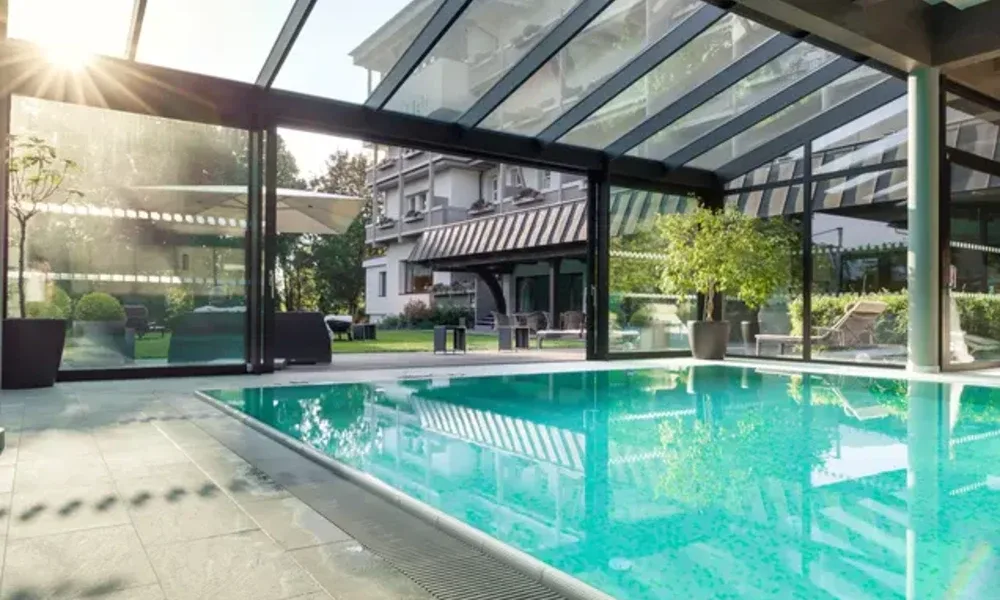
The interiors follow much the same philosophy as the programme: calm, comfortable and largely free from distraction. Traditional Tyrolean influences sit alongside a cleaner, more contemporary aesthetic, while many rooms make the most of the surrounding mountain landscape.
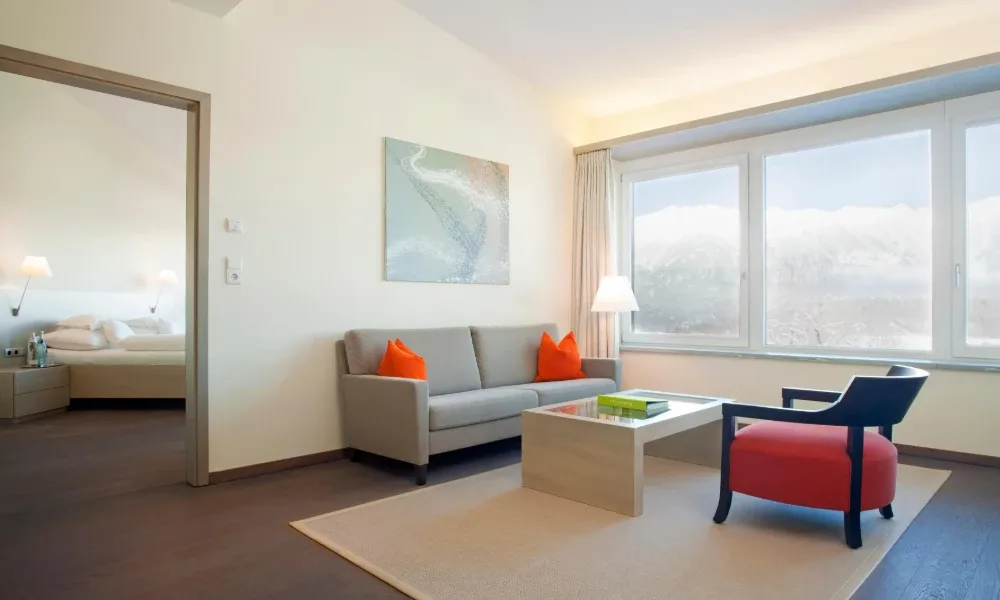
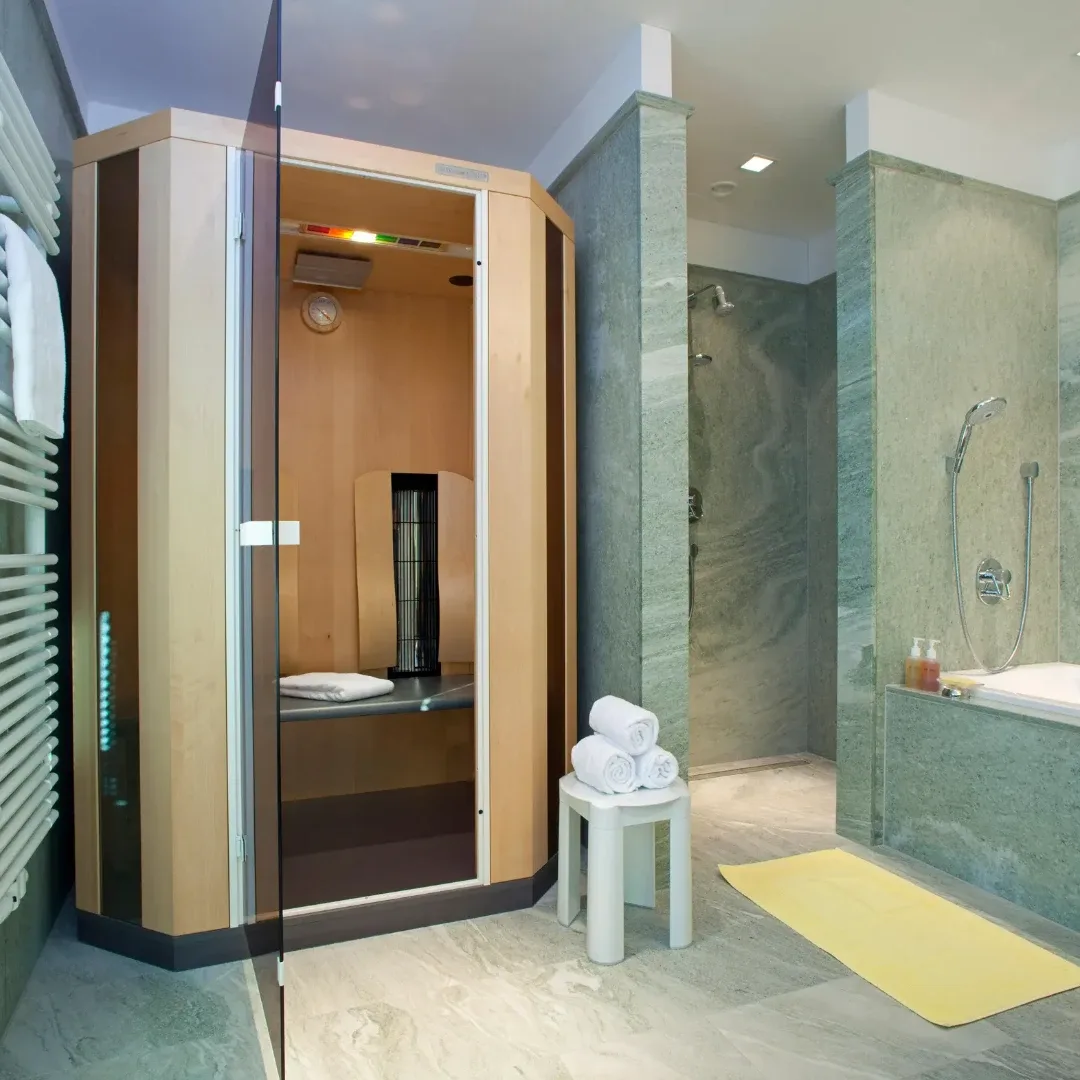
My spacious room looked towards the mountains and included its own infrared sauna. It became a sanctuary between treatments: somewhere to rest, read through my Mayr Guide and begin understanding why seemingly simple rituals involving chewing, hydration, hydrotherapy and rest were being given so much importance.
This is luxury interpreted through space and quiet rather than excess. Park Igls needs its accommodation to encourage recovery, because rest is not something guests simply do when their appointments finish. It is part of the programme.
The wellbeing experience
The medical consultation establishes the tone. On my first morning I met Dr Hinteregger, one of Park Igls' physicians. Doctors here are medically trained physicians as well as being trained in Mayr Medicine, allowing conventional medicine and the Mayr approach to sit alongside one another.
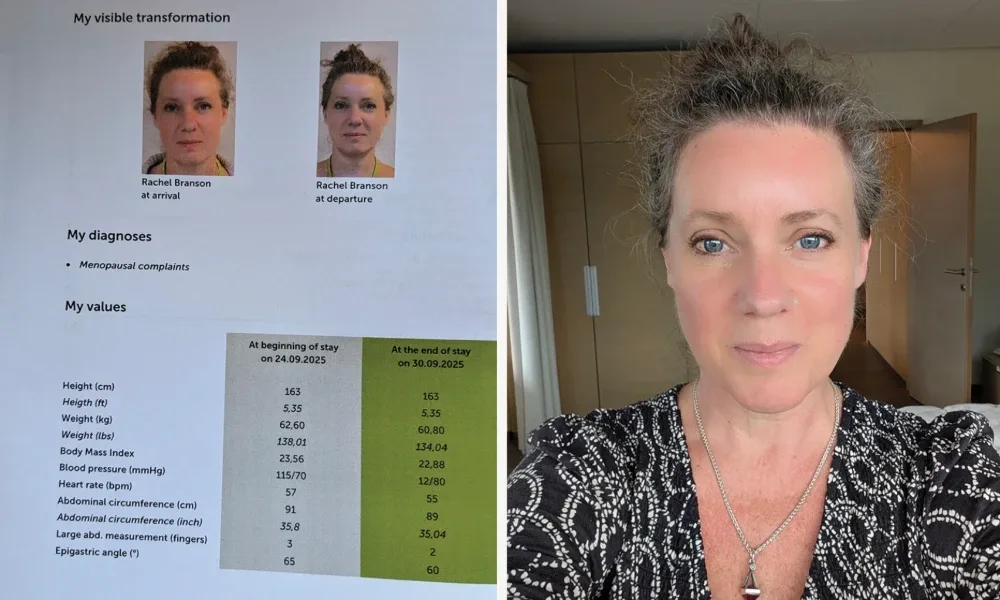
My assessment included weight, BMI, blood pressure and heart rate alongside more specifically Mayr-related abdominal measurements. We discussed digestion, sleep, lifestyle, stress and energy levels before creating a personalised programme for the week.
The objective wasn't simply to identify something "wrong". Instead, the process felt investigative: where was my body functioning well, where was it under strain and what could change if I gave it the right conditions?
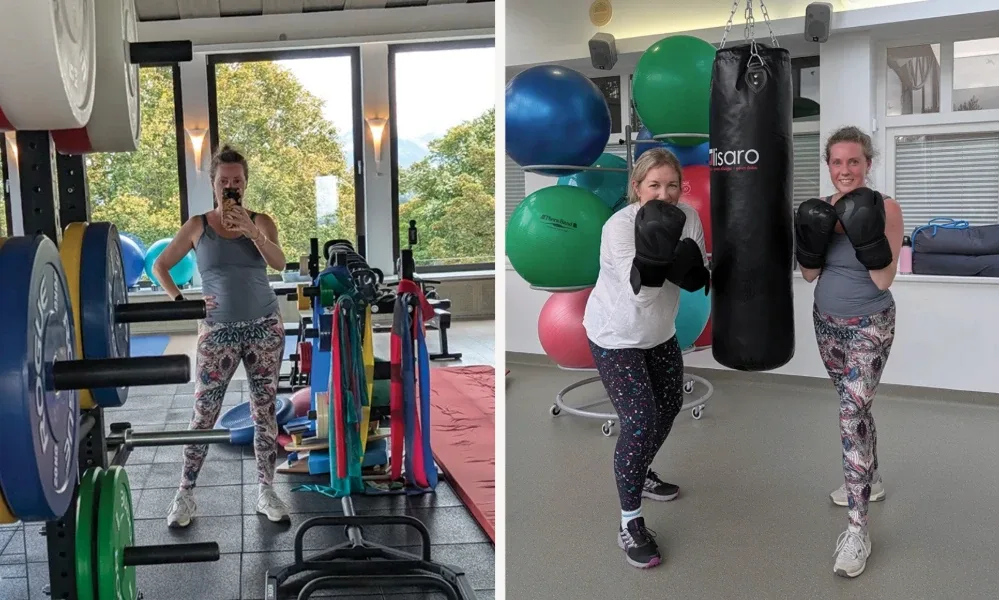
Movement was tailored rather than punishing. Physiotherapy helped address the postural consequences of long days sitting at a desk, while personal training reintroduced purposeful exercise into the week.
Treatments moved between the therapeutic and deeply relaxing. There was Kneipp hydrotherapy, using alternating warm and cold water; hay-flower and mud compresses; reflexology; massage; infrared sauna sessions and a wonderfully indulgent Cleopatra treatment using mare's milk, goat's milk and evening primrose oil.
Some interventions felt clinical. Others felt almost ancient. Together, they created an unusual rhythm in which medicine, movement and traditional therapies were not treated as separate worlds.
Food and nourishment
This is where the philosophy becomes impossible to observe from a distance. You have to participate.
My first breakfast consisted of yoghurt, a boiled egg and a rye bread roll that was intentionally not freshly baked. The reason quickly became apparent: I was expected to chew each mouthful between 30 and 40 times. At first, it felt faintly ridiculous. Then something interesting happened.
Eating became slower. The flavours changed. I began noticing when I was full. A meal that would ordinarily have disappeared while checking emails suddenly became a surprisingly meditative experience.
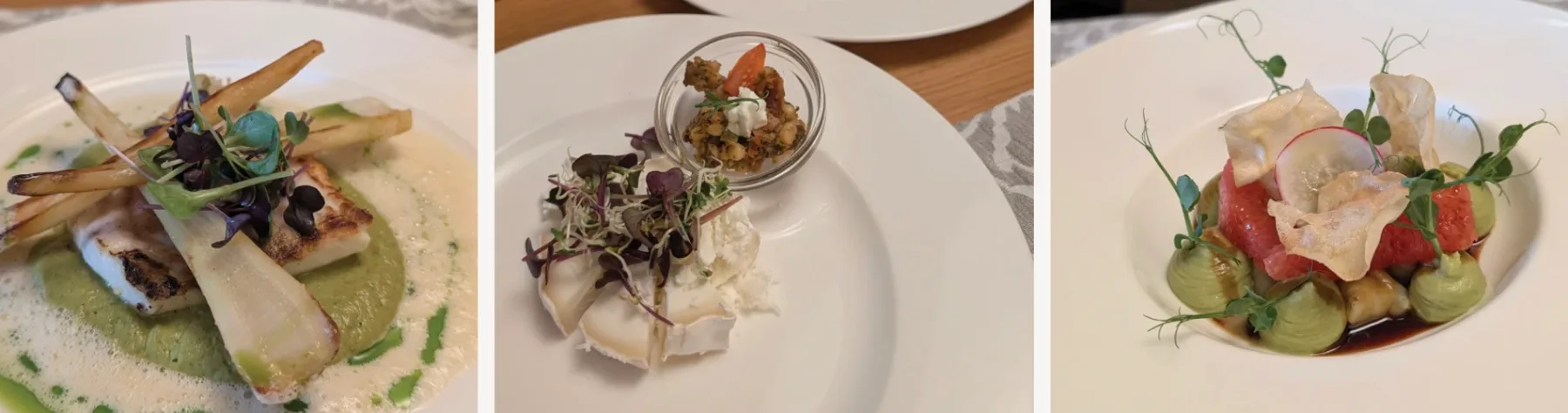
Guests follow different nutritional levels according to their individual programme. Mine began at a relatively restricted level before gradually increasing as my body adapted. Lunch was the most substantial meal of the day, while evenings remained intentionally light.
Meals were taken without drinking water alongside them and without the distractions we normally bring to the table.
Yet the food never felt careless or punitive. The kitchen demonstrates that therapeutic cuisine does not have to mean joyless cuisine. Seasonal ingredients arrive beautifully composed, with the precision of fine dining applied to food whose primary purpose is nourishment.
By the third day, something had shifted. I wasn't particularly hungry. I felt lighter and more alert, and there was a noticeable mental clarity emerging. What had initially looked like restriction was beginning to feel more like re-education.
What a day here might look like
Morning begins quietly, perhaps with the famous — or infamous — small glass of magnesium sulphate "bitter water", followed by a walk through the cool Alpine air before breakfast.
Then comes the deliberate ritual of eating: no rushing, no scrolling and a remarkable amount of chewing.
The rest of the morning might involve medical appointments, diagnostic assessments, physiotherapy or therapeutic treatments before lunch, traditionally the most substantial meal of the Mayr day.
Afternoons create more space. During my stay I joined guided walks and explored Alpine plants such as yarrow, nettle and dandelion, learning how herbs traditionally used for wellbeing grow almost unnoticed around us. Back at Park Igls, we turned some of what we had learned into herbal salt, rosemary oil and a balm.
A cookery class with chef Markus Sorg offered another perspective on the food we had been eating, while other periods were left deliberately empty for resting, swimming, reading, sauna or simply being outside.
One evening I travelled into Innsbruck for the opera — a lovely reminder that undertaking a serious health programme doesn't require disappearing entirely from the world.
Best suited to
Park Igls will particularly appeal to people who want more than a beautiful spa and a collection of treatments.
It makes sense for someone reaching a crossroads with their health: perhaps feeling persistently depleted, wanting to understand digestive or metabolic health more deeply, recovering from an intense period of work or stress, or recognising that lifestyle habits have quietly drifted away from what feels healthy.
It will also resonate with people fascinated by preventative medicine and healthy ageing but who prefer a human, whole-body approach rather than an exclusively technology-driven interpretation of longevity. Most importantly, it suits the curious. Much of the value comes from becoming an active participant in your own wellbeing rather than simply receiving treatments.
May not suit
This probably isn't the right retreat if your idea of wellness travel revolves around Champagne, elaborate dinners and deciding which massage to book after breakfast.
The dietary programme requires commitment. The magnesium salts are unlikely to become anyone's favourite morning drink. Meals can initially feel sparse depending upon your prescribed level, and surrendering everyday rituals around coffee, alcohol, snacking and eating on the run can be psychologically revealing.
There is also a strong medical component.
For me, that was precisely what made Park Igls interesting. But anyone wanting a conventional luxury spa escape rather than a health intervention should understand the difference before booking.
What to know before booking
Give the programme enough time. Park Igls recommends longer stays for many guests, and my own experience convinced me that seven days should be viewed as the beginning rather than an extravagant amount of time.
It took approximately four days for me to feel that I had properly slowed down.
Arriving with realistic expectations also matters. This isn't somewhere to chase dramatic short-term weight loss. My own final measurements showed that I had lost 2kg and approximately 2cm around my abdomen, but those numbers weren't ultimately the most interesting result.
My skin looked brighter. My posture had improved. My head felt clearer.
And, perhaps most significantly, I had become aware of habits I had barely noticed before arriving.
The Roam verdict
Park Igls challenges some of the assumptions that have grown around luxury wellness. The real indulgence here isn't unlimited food, elaborate spa rituals or escaping responsibility for a week. It is being given permission to pay extraordinary attention to the ordinary things that shape health every day: eating, chewing, moving, resting, breathing and noticing.
A week here taught me that a reset doesn't necessarily require doing more. Sometimes it comes from removing the noise.
By the seventh day, I felt physically lighter but also strangely spacious mentally. The pace of life that had seemed perfectly normal before arriving suddenly looked unnecessarily frantic.
Perhaps that is Park Igls' most lasting treatment. It gives you enough distance from your everyday habits to see them clearly.
Modern Mayr Medicine may begin with the gut, but the lesson travels considerably further.
Roam rating: A transformative medical-wellness experience for travellers who want to understand their health rather than simply escape from everyday life.
Plan your stay
- Where:
- Park Igls Medical Spa Resort
- Getting there:
- The nearest airport to Park Igls is Innsbruck Airport (INN), located about 9 kilometers (6 miles) away. The drive or taxi transfer takes roughly 15 to 20 minutes, and the resort often provides complimentary direct transfers for guests.Alternative AirportsMunich International Airport (MUC): Located about 160 kilometers (100 miles) away in Germany, taking roughly 2 to 2.5 hours by car or over 3 hours by train.Salzburg Airport (SZG): Located about 180 kilometers (110 miles) to the east, with a driving time of around 2 hours.
- Best season:
- The Park Igls Medical Spa Resort in the Tyrolean Alps is exceptional year-round, but late spring (May to June) and early autumn (September to October) are ideal. These shoulder seasons offer comfortable weather for outdoor alpine activities and lighter crowds compared to the peak winter wellness rush
- Recommended stay:
- 7-10 days to get the best experience.
- Price guide:
- Daily room rates start around €210 (£182) per person. Total weekly medical wellness packages (like Modern Mayr detox or sleep programs) average roughly €3,600 to €5,500+ when combining standard accommodation and mandatory therapeutic treatment plans.
- Booking:
- https://www.park-igls.at/
- Accessibility:
- Offers disabled-friendly access following comprehensive modern renovations. However, its inventory of fully wheelchair-accessible specific rooms is very limited, featuring only two specially adapted single rooms.
- Families:
- Not suitable for traditional family vacations, as it enforces a strict adults-only policy.
- Pets:
- Permits dogs in selected rooms upon request and for an additional fee, though they are restricted from public areas like the spa and dining rooms.
- Currency:
- Euros
- Language:
- German is the primary local and operational language, while English is widely spoken and understood by the medical staff, therapists, and reception team to accommodate international guests
Nearby and worth adding
- Innsbruck Old Town
- Close enough for an evening or half-day excursion, Innsbruck provides a wonderful contrast to Park Igls' stillness. Wander through the medieval Old Town around the Golden Roof, with the Nordkette mountains rising dramatically behind the city.
- Patscherkofel
- Igls sits at the foot of the Patscherkofel, making the mountain particularly accessible for walking, hiking and spending time outside. The surrounding area offers trails and mountain landscapes in both summer and winter.
Fact-checked 13 August 2026. Prices correct at time of publication.
Written by
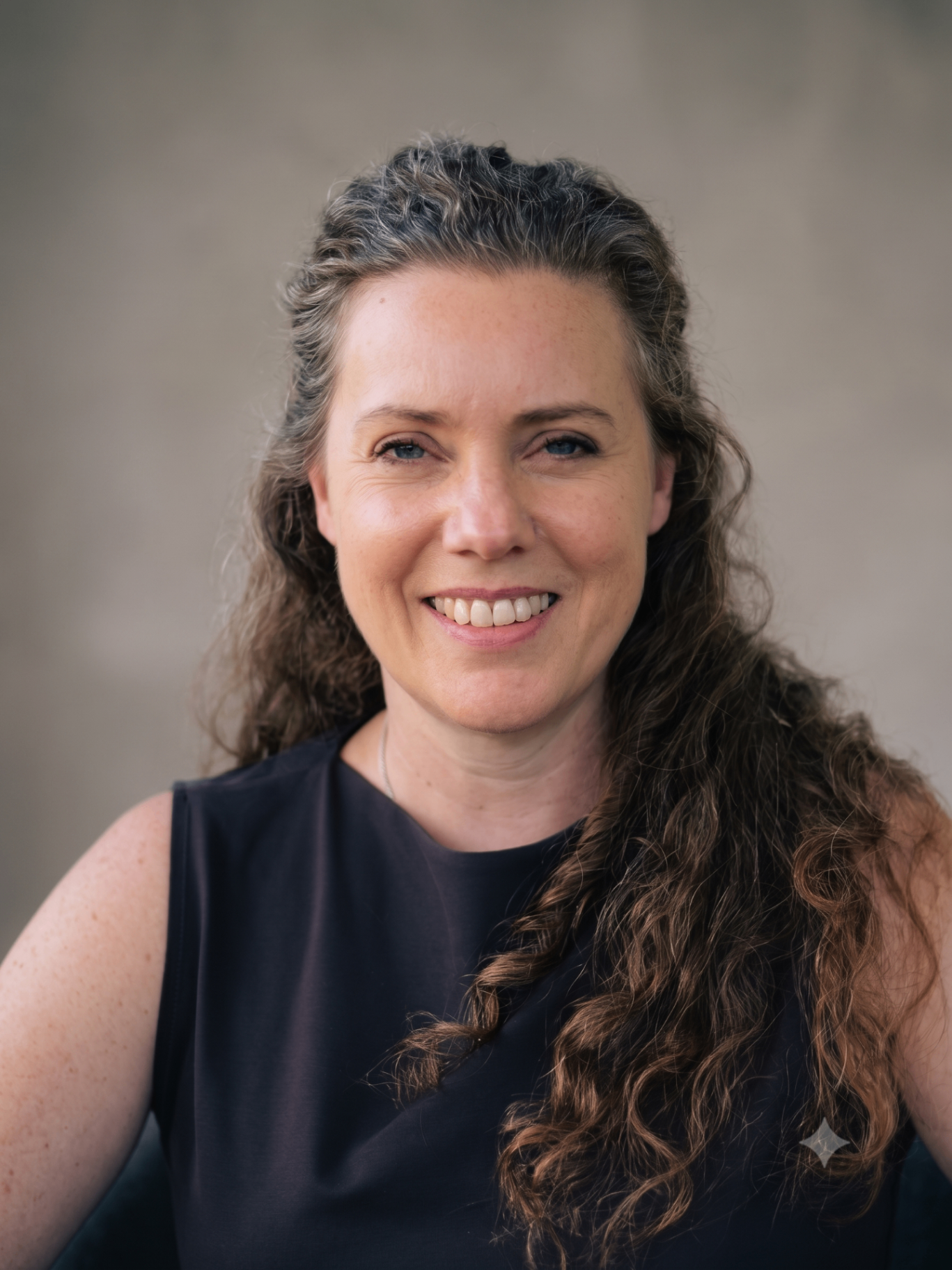
Rachel BransonFounder & Editor-in-Chief
Rachel Branson is the Founder of Haywood Media and Editor-in-Chief of Wellbeing Magazine and Roam, with more than twenty years’ experience exploring health, wellbeing and the changing global wellness landscape.
All stories by Rachel BransonMember reviews
What our members felt here
No reviews yet — be the first to share what this place gave you.
Keep reading
Related journeys
Nutrition and Healthy Living
Ayurveda in Sri Lanka: A Seven-Day Detox at Siddhalepa Ayurveda Health Resort
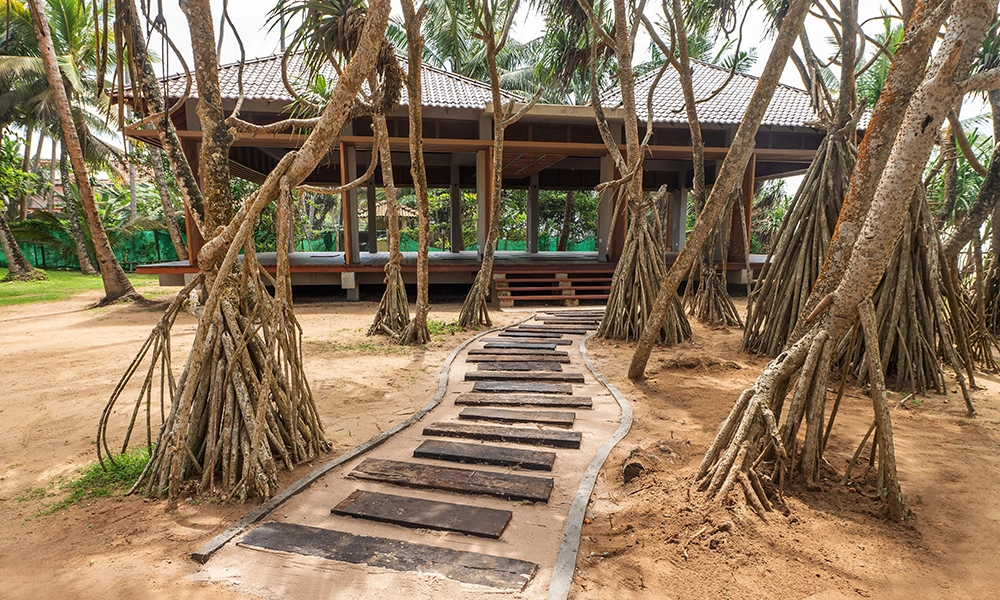
Harmony with nature captures my week-long Ayurveda retreat in Sri Lanka. It was a full-bodied detox rooted entirely in the natural world, drawing on herbs, plants, trees, fruits, berries, water and air in carefully prescribed ways.
1 June 2026 · 7 min read
Nutrition and Healthy Living
Sacred Stillness in the Dolomites: An Ayurvedic Retreat at Engel Ayurpura
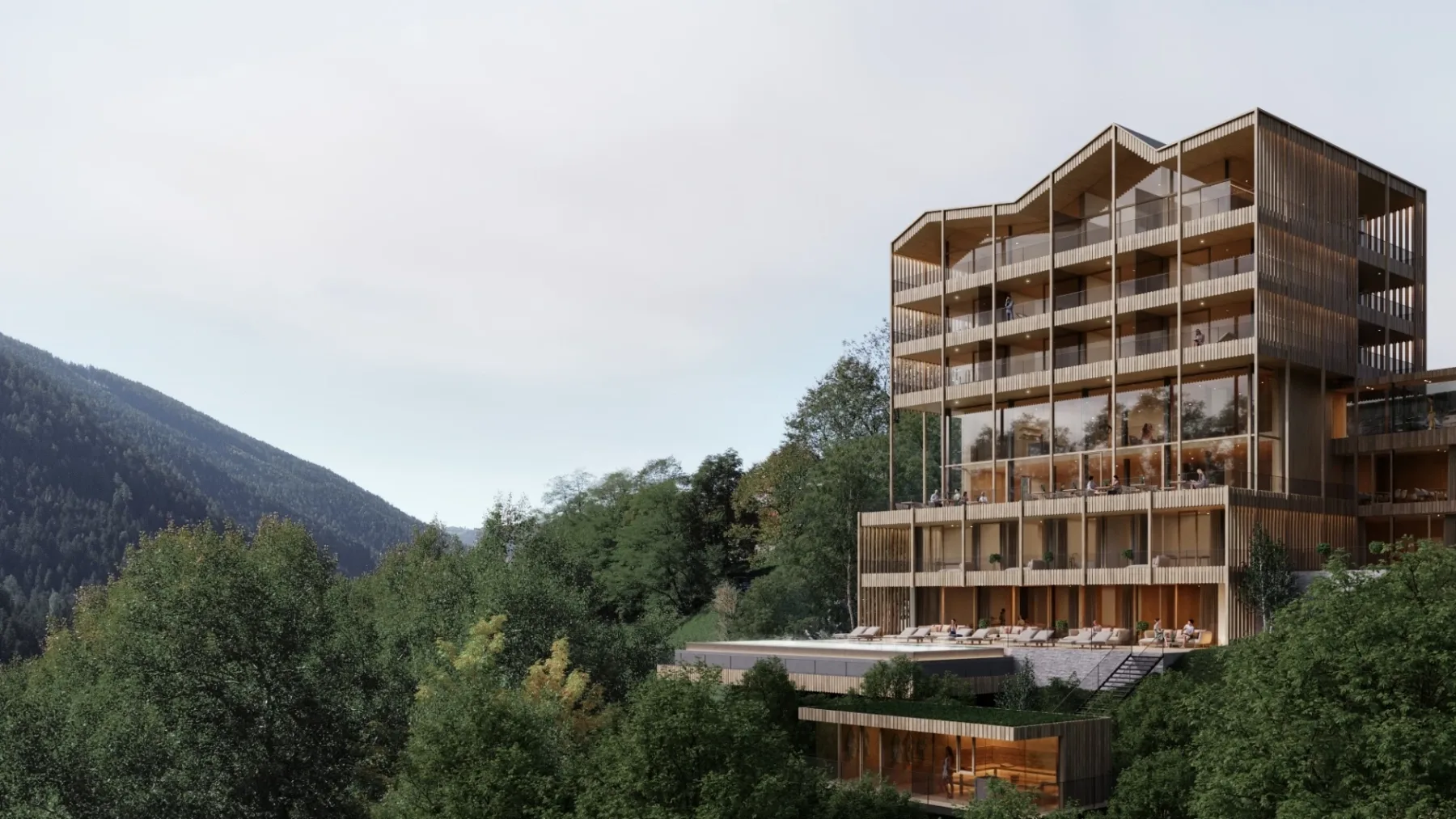
There is a profound kind of peace that seems to belong only to mountains. It is a stillness that anchors you before you have made any conscious effort to slow down; something in the sheer scale of the landscape reminding you that, for a while at least, the urgency of everyday life can wait.
10 July 2025 · 10 min read

Nutrition and Healthy Living
Vegan Travel: Top Destinations with Plant-Based Dining Options
Embrace plant-based living on your adventures with confidence and enjoy a rewarding travel experience that aligns with your commitment to health, sustainability, and ethical dining.
9 September 2024 · 13 min read